Sleep And Pain: The Surprising Link Between Poor Sleep And Daily Pain
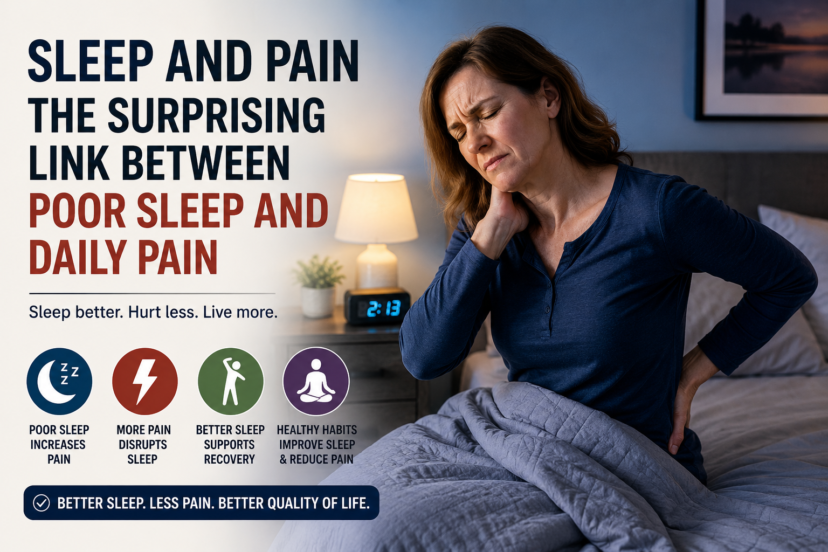
What is the link between poor sleep and pain? If you’ve ever woken up feeling stiffer, more sore, or less able to move than when you went to bed, you’re not imagining it. Many adults assume discomfort is simply part of getting older, but your nightly sleep may play a much bigger role than you realize.
The relationship between sleep and pain works both ways. Poor sleep can make everyday aches feel more intense, while ongoing pain can make it harder to fall asleep or stay asleep. This frustrating cycle affects millions of Americans and often leads to reduced mobility, lower energy, and a decreased quality of life.
The encouraging news is that improving your sleep habits may also help reduce daily discomfort, improve flexibility, support healthy aging, and make everyday activities easier. Even small changes to your bedtime routine, sleeping position, and daily movement habits can make a meaningful difference over time.
In this guide, you’ll learn how sleep and pain are connected, why better sleep matters for healthy joints and muscles, and practical, science-backed strategies you can start using tonight.
⭐ Quick Answer: Sleep And Pain
Poor sleep increases your body’s sensitivity to pain, slows muscle recovery, and raises inflammation levels. At the same time, chronic pain often disrupts sleep quality. Improving sleep habits through consistent routines, physical activity, stress management, and proper sleep posture may help reduce everyday discomfort and improve mobility over time.
Key Takeaways
Most likely cause: Sleep and pain are closely connected because poor sleep can increase pain sensitivity, slow muscle recovery, and contribute to inflammation, while ongoing pain can make it harder to get restful sleep.
Usually serious? No. Occasional sleep-related aches are common, but persistent pain or long-term sleep problems that interfere with daily life should be evaluated by a healthcare professional.
First thing to check: Review your sleep quality, bedtime routine, sleeping position, mattress and pillow support, and whether pain is preventing you from falling asleep or staying asleep.
Best solution: Follow a consistent sleep schedule, stay physically active, manage stress, improve your sleep environment, and use supportive sleeping positions to help break the cycle of poor sleep and ongoing discomfort.
🌙 Understanding The Connection Between Sleep And Pain
The relationship between sleep and pain is one of the strongest examples of how different body systems work together.
While you sleep, your body performs essential maintenance:
- Repairing muscles and soft tissues
- Releasing growth hormone for recovery
- Supporting immune function
- Regulating inflammation
- Processing pain signals in the brain
When sleep is interrupted or shortened, these recovery processes become less effective.
Research has shown that even one night of poor sleep can increase pain sensitivity the following day. People who consistently sleep fewer than seven hours often report more joint discomfort, back pain, headaches, and muscle soreness than those who regularly get adequate sleep.
Instead of seeing sleep as “downtime,” think of it as your body’s nightly repair session.
😴 Why Poor Sleep Makes Pain Feel Worse
Several biological changes occur when sleep quality declines.
Increased Pain Sensitivity
Sleep deprivation lowers your pain threshold.
That means normal daily activities like climbing stairs, walking, or lifting groceries may feel much more uncomfortable than usual.
Higher Inflammation
Poor sleep is associated with higher levels of inflammatory chemicals throughout the body.
While inflammation is a natural healing response, long-term elevated inflammation may contribute to:
- Joint stiffness
- Muscle soreness
- Neck discomfort
- Back pain
- Reduced flexibility
Slower Recovery
Muscles repair themselves while you sleep.
Without enough restorative sleep, recovery after exercise, yard work, or even a busy day becomes slower.
Increased Stress Hormones
Poor sleep raises cortisol, your body’s primary stress hormone.
Higher cortisol may contribute to:
- Muscle tension
- Jaw clenching
- Neck tightness
- Shoulder discomfort
- More noticeable chronic pain
🦴 How Chronic Pain Disrupts Sleep
Unfortunately, the connection also works in reverse.
Pain often prevents people from reaching deeper stages of sleep.
Common reasons include:
- Difficulty finding a comfortable position
- Waking every time you move
- Muscle spasms
- Aching joints
- Tingling or numbness
- Frequent position changes
Over weeks or months, this creates a cycle:
Pain → Poor Sleep → More Pain → Worse Sleep
Breaking this cycle is one of the most important goals for long-term pain management.
💪 Conditions Commonly Linked To Sleep And Pain
Many common health conditions are affected by sleep quality.
These include:
- Arthritis
- Chronic low back pain
- Neck pain
- Fibromyalgia
- Sciatica
- Shoulder pain
- Knee pain
- Tension headaches
- Muscle strains
Even temporary injuries often heal more slowly when sleep is consistently poor.
🛏️ Best Sleep Habits To Help Reduce Daily Pain
Improving sleep and pain often starts with better sleep hygiene.
Maintain A Consistent Sleep Schedule
Go to bed and wake up at roughly the same time every day—even on weekends.
This helps regulate your body’s internal clock.
Create A Relaxing Bedtime Routine
Try:
- Reading
- Gentle stretching
- Deep breathing
- Meditation
- Listening to calming music
Avoid stimulating activities during the final hour before bed.
Limit Screen Time
Phones, tablets, and televisions emit blue light that may delay melatonin production.
Aim to reduce screen use 30–60 minutes before bedtime.
Keep Your Bedroom Comfortable
Your sleep environment matters.
Consider:
- Cool room temperature (around 65°F)
- Blackout curtains
- White noise machine
- Comfortable mattress
- Supportive pillow
Small changes often improve sleep quality significantly.
🚶 Move More During The Day For Better Sleep And Less Pain
Regular movement supports both sleep quality and pain management.
Exercise helps by:
- Improving circulation
- Reducing joint stiffness
- Strengthening muscles
- Supporting healthy weight
- Lowering stress
The best activities include:
- Walking
- Swimming
- Cycling
- Water aerobics
- Tai Chi
- Yoga
- Resistance training
You don’t need intense workouts.
Even 20–30 minutes of daily movement may improve both sleep and pain over time.
🧘 Stretching And Physical Therapy Strategies
Gentle stretching before bed may help relax tight muscles and improve flexibility.
Focus on:
- Hamstrings
- Hip flexors
- Calves
- Lower back
- Chest
- Neck
A licensed physical therapist can also identify movement limitations contributing to pain.
Physical therapy may include:
- Mobility exercises
- Strength training
- Balance work
- Manual therapy
- Posture correction
- Home exercise programs
These personalized strategies often improve both movement and sleep quality.
🪑 Improve Your Sleep Posture
Your sleeping position affects pressure on your joints and spine.
Side Sleepers
Place a pillow between your knees.
This keeps your hips aligned and reduces stress on the lower back.
Back Sleepers
Place a pillow beneath your knees.
This supports the natural curve of your spine.
Stomach Sleepers
This position often increases neck strain.
If possible, gradually transition to side sleeping.
A supportive pillow should keep your neck aligned with your spine rather than bending upward or downward.
🥗 Nutrition That Supports Better Sleep And Pain Relief
Healthy eating supports recovery while reducing inflammation.
Foods that may help include:
- Fatty fish
- Walnuts
- Chia seeds
- Berries
- Leafy greens
- Olive oil
- Beans
- Whole grains
- Tart cherries
- Kiwi
Stay well hydrated throughout the day since dehydration can contribute to muscle cramps and stiffness.
Limit late-night:
- Heavy meals
- Alcohol
- Excess sugar
- Large amounts of caffeine
💊 Supplements That May Support Sleep And Pain
Some adults discuss supplements with their healthcare provider when improving sleep.
Common options include:
- Magnesium glycinate
- Melatonin (short-term use)
- Vitamin D (if deficient)
- Omega-3 fatty acids
Always consult your healthcare provider before starting supplements, especially if you take prescription medications.
🧠 Stress Management Can Reduce Sleep And Pain
Mental stress often shows up physically.
Many people unknowingly carry tension in:
- Neck muscles
- Shoulders
- Jaw
- Lower back
Helpful stress-management techniques include:
- Mindfulness meditation
- Controlled breathing
- Journaling
- Gentle yoga
- Spending time outdoors
- Talking with supportive friends or family
Lower stress often leads to better sleep, which may gradually reduce pain sensitivity.
🏡 Home Remedies That May Improve Comfort Before Bed
Simple home remedies can make bedtime more comfortable.
Consider trying:
- Warm shower before bed
- Heating pad for tight muscles
- Ice packs after strenuous activity
- Foam rolling
- Gentle stretching
- Massage therapy
- Relaxation breathing
- Light walking after dinner
These strategies won’t eliminate every source of discomfort, but they often make it easier to fall asleep.
📅 Long-Term Lifestyle Habits For Healthier Aging
Improving sleep and pain isn’t about finding one miracle solution.
The biggest improvements usually come from combining several healthy habits.
Focus on:
- Sleeping 7–9 hours
- Moving daily
- Maintaining healthy body weight
- Staying socially active
- Managing stress
- Eating nutritious foods
- Building strength
- Improving flexibility
- Avoiding smoking
- Limiting alcohol
Small improvements practiced consistently often lead to meaningful changes over several months.
⚕️ When To See A Doctor
Occasional poor sleep happens to everyone.
However, you should speak with a healthcare professional if you experience:
- Pain lasting longer than several weeks
- Pain that steadily worsens
- Numbness or weakness
- Loss of bladder or bowel control
- Fever with severe pain
- Unexplained weight loss
- Difficulty walking
- Frequent nighttime pain that wakes you
- Loud snoring with daytime exhaustion
- Trouble sleeping for more than three months
A healthcare provider can evaluate underlying conditions and recommend treatments such as physical therapy, sleep evaluation, medications, or specialist referrals when appropriate.
❓ FAQs: Sleep And Pain
1. Can poor sleep really make pain worse?
Yes. Poor sleep increases pain sensitivity, reduces muscle recovery, and may increase inflammation, making existing discomfort feel more intense.
2. How many hours of sleep help reduce pain?
Most adults benefit from seven to nine hours of quality sleep each night, although individual needs vary.
3. Which sleeping position is best for back pain?
Side sleeping with a pillow between the knees or back sleeping with a pillow under the knees often provides the best spinal support.
4. Can improving sleep reduce chronic pain?
Better sleep may help lower pain sensitivity and improve recovery, although it is usually one part of a comprehensive pain management plan.
5. Does exercise improve both sleep and pain?
Yes. Regular physical activity can improve sleep quality, strengthen muscles, reduce stiffness, and support healthier joints.
6. Is insomnia common in people with chronic pain?
Yes. Many people living with chronic pain experience insomnia or fragmented sleep, creating a cycle where each condition worsens the other.
7. Should I take sleep medication for pain?
Sleep medications may be appropriate in some situations but should only be used under the guidance of a healthcare provider, particularly for long-term sleep problems.
🎯 Final Thoughts
The relationship between sleep and pain is stronger than many people realize. Every night, your body relies on quality sleep to repair muscles, regulate inflammation, and restore the systems that help you move comfortably throughout the day. When sleep suffers, discomfort often increases. When pain increases, sleep becomes harder. Fortunately, this cycle can be improved.
Start with simple, sustainable changes. Keep a consistent bedtime, stay physically active, improve your sleep posture, manage stress, and create a relaxing nighttime routine. While these habits may not eliminate every source of pain, they often work together to improve recovery, mobility, and overall quality of life.
Progress rarely happens overnight, but consistent healthy choices can help you move more comfortably, stay active longer, and continue enjoying the activities that matter most.
Medical Disclaimer
This article is for educational and informational purposes only and is not intended as medical advice. Always consult a qualified healthcare professional before starting any new exercise program, supplement, or treatment plan, especially if you have persistent pain, chronic medical conditions, or take prescription medications. If you experience severe pain, sudden weakness, numbness, difficulty walking, or other concerning symptoms, seek prompt medical evaluation.
 Explore more: