Why Does My Back Pain Get Worse At The End Of The Day? 10 Common Reasons And What Helps

Back pain can get worse at the end of the day because hours of sitting, standing, bending, lifting, and other activities gradually increase muscle fatigue and mechanical strain. Poor posture, too little movement, repetitive tasks, and doing too much activity at once can also contribute. Changing positions regularly, pacing demanding activities, gentle exercise, and improving everyday movement habits may help reduce evening discomfort.
Stay More Comfortable And Independent
If you start the morning feeling reasonably comfortable but find yourself stiff, sore, and ready to lie down by dinner, you may wonder, why does my back pain get worse at the end of the day? This pattern is common because your back handles thousands of small movements, postural demands, and loads from the moment you get out of bed.
Sitting at a desk, standing in the kitchen, driving, climbing stairs, carrying groceries, doing housework, and even repeatedly looking down at your phone can gradually add to muscle fatigue and discomfort.
For adults already living with back pain, these everyday demands can feel even more noticeable as the hours pass. The goal isn’t necessarily to avoid activity. Instead, learning how to distribute movement, rest, and physical demands throughout your day may help you stay more comfortable, mobile, and independent.
Key Takeaways
Most likely cause: Accumulated muscle fatigue and mechanical strain from sitting, standing, walking, bending, lifting, and other activities throughout the day.
Usually serious? Often not, especially when discomfort follows activity and improves with changing position or rest. Persistent, worsening, or severe symptoms deserve medical evaluation.
First thing to check: Look at what happens during the hours before your pain increases. Long periods in one position, repetitive bending, poor workstation setup, or doing several demanding tasks without breaks may contribute.
Best solution: If you’re wondering why does my back pain get worse at the end of the day, focus on reducing accumulated strain with regular position changes, activity pacing, comfortable posture, gentle movement, and appropriate strengthening.
🧩 Why Back Pain Can Build Up Throughout The Day
Your back isn’t necessarily bothered by one major event. Sometimes dozens of small physical stresses accumulate.
Your spine is supported by muscles, ligaments, joints, discs, and other tissues that work together while you sit, stand, walk, twist, and lift. Your trunk and hip muscles also continually help stabilize your body.
As these tissues work throughout the day, fatigue can develop. A sitting position that feels perfectly comfortable for 20 minutes, for example, may become uncomfortable after two hours.
This helps explain why someone can wake up with manageable symptoms but experience significantly more discomfort by late afternoon.
1. Your Back Muscles Become Fatigued
Muscles around your spine help maintain posture and control movement. Like other muscles, they can become tired after prolonged or repetitive use.
This doesn’t mean you have damaged your back.
Instead, tired muscles may simply become less comfortable and less tolerant of continued activity. Someone who spends all afternoon standing, gardening, cooking, or shopping may therefore notice increasing soreness toward evening.
Regular breaks can help distribute physical demands more evenly.
2. Sitting For Too Long Adds Up
Sitting isn’t automatically harmful to your back, but remaining in one position for a long time can become uncomfortable.
Office workers may sit through several meetings, work at a computer, drive home, and then sit on the couch. That’s a considerable amount of time with relatively little movement.
Try changing position every 30–60 minutes when practical.
🚶 Take a short walk, stand during a phone call, gently move your hips, or simply switch sitting positions. The best posture is often not one rigid “perfect” posture but one you can comfortably change throughout the day.
3. Standing All Day Can Also Increase Discomfort
If you’re asking why does my back pain get worse at the end of the day even though you rarely sit, prolonged standing may be part of the problem.
Standing requires continuous low-level muscular work. Jobs in retail, healthcare, manufacturing, education, food service, and other industries can involve hours on your feet.
Try alternating between standing, sitting, and walking whenever possible.
When working at a kitchen counter or standing desk, periodically shifting your weight or placing one foot on a low, stable footrest may also feel more comfortable for some people.
4. Repeated Bending And Lifting Can Create Daily Strain
Consider everything you lift during an ordinary day:
- Laundry baskets
- Grocery bags
- Children or grandchildren
- Packages
- Gardening supplies
- Pet food
- Vacuum cleaners
- Work equipment
None of these activities necessarily causes a problem by itself. But repeatedly bending, reaching, twisting, and carrying can gradually increase fatigue.
When lifting, keep the object reasonably close to your body, use your hips and knees as appropriate, and avoid combining a heavy lift with an awkward twisting movement.
For heavier or unfamiliar loads, ask for help rather than testing your limits.
🪑 Your Posture May Change As You Get Tired
Posture often changes throughout the day.
You might begin work sitting upright and comfortable. Several hours later, you may be leaning toward your monitor or sitting in one position for long periods.
The solution isn’t to force yourself into military-style posture for eight hours.
Instead, make comfortable positions easier.
Adjust your chair so your feet are supported. Position frequently used items within easy reach. Keep your monitor at a comfortable viewing height and avoid working from a couch or bed for hours when a supportive workstation is available.
Most importantly, change positions frequently.
Movement variety is generally more realistic than trying to maintain one supposedly ideal posture all day.
🏃 Doing Too Much Activity At Once Can Backfire
People living with chronic back pain sometimes fall into a boom-and-bust cycle.
You feel good one morning, so you clean the house, mow the lawn, shop for groceries, and finish several projects. By evening, your back is much more uncomfortable, and the following day becomes a recovery day.
Activity pacing can help.
Instead of completing every physical task consecutively, alternate more demanding activities with lighter ones.
For example:
Vacuum one room → Take a short movement break → Fold laundry → Rest briefly → Prepare lunch → Continue cleaning later.
Pacing isn’t about becoming inactive. It’s about spreading your physical workload so you have enough capacity left for the rest of your day.
🌿 Simple Ways To Reduce End-Of-Day Back Pain
When back pain gets worse at the end of the day, small changes made earlier may be more useful than waiting until discomfort becomes intense.
Build Movement Into Your Day
Frequent, comfortable movement can help prevent stiffness associated with staying in one position too long.
Try short walking breaks, gentle mobility exercises, or simply changing positions regularly.
Even a few minutes can interrupt long periods of sitting or standing.
Use Heat For Temporary Comfort
A warm shower or heating pad may temporarily ease muscle soreness and stiffness for some people.
Avoid sleeping with a heating pad, protect your skin from burns, and follow the manufacturer’s instructions.
Heat can improve comfort, but it doesn’t address every cause of back pain.
Try Gentle Mobility Exercises
Depending on your condition and medical history, comfortable movements might include:
- Pelvic tilts
- Gentle knee-to-chest movements
- Cat-cow movements
- Easy trunk rotations
- Hip flexor stretches
- Short walks
Exercises shouldn’t be forced through sharp or rapidly increasing pain.
If you’re unsure which movements are appropriate, a physical therapist can create a program suited to your symptoms, strength, mobility, and daily activities.
💪 Strengthening May Improve Your Capacity For Daily Life
One useful long-term goal is increasing how much everyday activity your body can comfortably tolerate.
Appropriate strengthening may include exercises targeting your trunk, hips, legs, and back.
A physical therapist might use movements such as bridges, bird dogs, modified side planks, sit-to-stands, or resistance exercises depending on your abilities.
The goal isn’t necessarily to build large muscles.
It’s to develop enough strength and endurance that normal activities—shopping, walking, cooking, working, traveling, and playing with grandchildren—require a smaller percentage of your physical capacity.
For healthy aging, maintaining general strength and regular physical activity can also support balance, mobility, and independence.
⏱️ Try The “Little And Often” Approach
One of the smartest strategies for accumulated daily strain is intervening before your back becomes very uncomfortable.
Instead of waiting until 7 p.m. to address your symptoms, add small recovery opportunities throughout your day.
For example:
Morning: 5–10 minutes of comfortable movement.
Mid-morning: Stand or walk briefly after prolonged sitting.
Lunch: Take a short walk if comfortable.
Afternoon: Change positions and perform gentle mobility movements.
Evening: Use a comfortable walk, warm shower, or relaxation routine to wind down.
These habits don’t need to consume much time. Consistency matters more than making every session long or difficult.
🩺 When To See A Doctor
Back pain is common, but persistent or worsening symptoms shouldn’t simply be blamed on aging or daily strain.
Consider speaking with your healthcare professional if your pain is severe, repeatedly interferes with normal activities, isn’t improving, progressively worsens, or is accompanied by symptoms such as significant leg weakness, numbness, unexplained weight loss, fever, or pain following a significant injury.
Seek urgent medical attention for back pain associated with new bowel or bladder control problems, numbness around the groin or saddle region, or severe/progressive neurological symptoms.
A physician or physical therapist can evaluate whether your evening pain is primarily related to mechanical strain or whether another condition requires attention.
❓ Frequently Asked Questions
Why Does My Lower Back Hurt More In The Evening?
Daily sitting, standing, walking, bending, and lifting can gradually increase muscle fatigue and mechanical strain. If symptoms consistently build throughout the day, look for prolonged positions and repetitive activities that occur before the pain becomes worse.
Why Does My Back Feel Fine In The Morning But Hurt At Night?
Your back has experienced relatively little daytime activity immediately after waking. After many hours of work, household tasks, driving, and other activities, muscles and other tissues may feel more fatigued and sensitive.
Can Sitting All Day Cause Evening Back Pain?
Prolonged sitting can contribute to stiffness and discomfort, particularly when you rarely change positions. Taking short movement breaks and adjusting your workstation may help.
Does Standing Too Long Make Back Pain Worse?
It can. Prolonged standing requires sustained muscle activity and may aggravate symptoms in some people. Alternating standing with sitting and walking can make long periods on your feet easier to tolerate.
Is Walking Good When My Back Hurts At The End Of The Day?
Gentle walking is often a practical form of movement for people with uncomplicated back pain, provided it doesn’t significantly worsen symptoms. Start with a duration you tolerate comfortably and gradually increase activity rather than pushing through severe pain.
What Is The Best Position For End-Of-Day Back Pain?
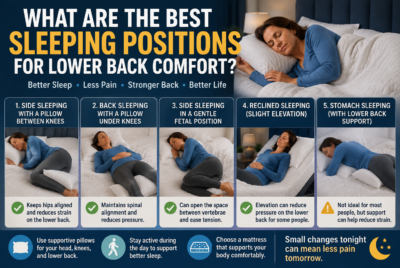
There isn’t one position that works for everyone. Some people prefer lying on their back with support under the knees, while others feel better side-lying with a pillow between the knees. Changing positions periodically may be more helpful than remaining completely still.
Can A Physical Therapist Help With Back Pain That Gets Worse During The Day?
Yes. A physical therapist can assess movement, strength, mobility, work demands, and activities that may contribute to symptoms. They can then develop an individualized exercise and activity-management plan.
🌅 The Bottom Line
If you’ve been asking why does my back pain get worse at the end of the day, think about your entire day rather than only the moment when the pain appears.
Hours of sitting, standing, bending, driving, lifting, and household tasks can gradually add to muscle fatigue and physical strain.
The answer usually isn’t avoiding movement altogether. A more sustainable approach is to spread the workload.
Change positions regularly. Take short movement breaks. Pace demanding tasks. Build strength gradually. Improve your workstation where needed. Give your body small opportunities to recover before discomfort becomes overwhelming.
Living with back pain often requires experimentation and patience. Small improvements repeated every day can make ordinary activities easier and help you maintain the mobility, confidence, and independence needed for an active life.
Medical Disclaimer: This article is for general educational and informational purposes only and is not a substitute for professional medical advice, diagnosis, or treatment. Back pain can have many causes. Consult a qualified healthcare professional for persistent, severe, worsening, or concerning symptoms and before beginning a new exercise or treatment program.
 Explore more:
- How Can I Climb Stairs With Back Pain?
- Why Back Pain Feels Worse At Night
- How Can I Sit Comfortably With Lower Back Pain?