Anti Inflammatory Foods: 15 Foods That May Help Support A Healthy Inflammatory Response
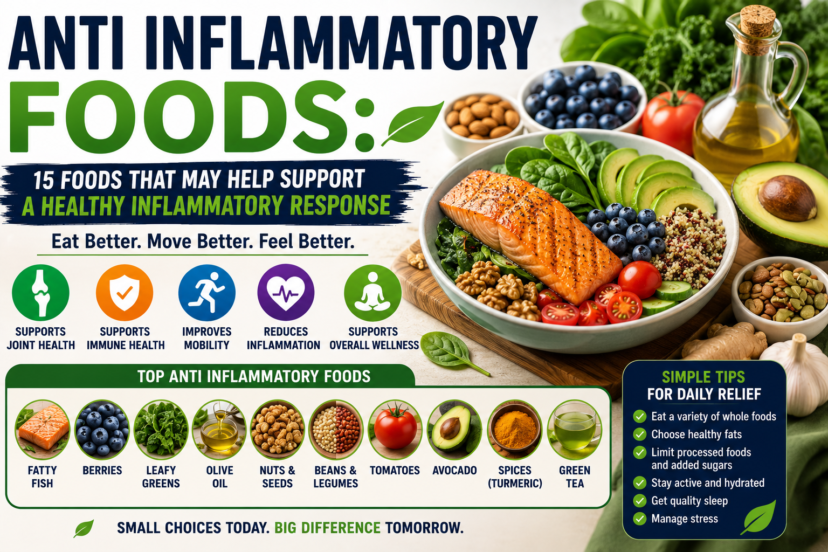
What anti inflammatory foods do you need to add to your meals? If you’re dealing with everyday aches, stiffness, or reduced mobility, your diet may play a bigger role than you realize.
Many adults looking to stay active and comfortable focus on exercise, stretching, and sleep—but nutrition is another important piece of the puzzle. Certain foods contain nutrients and natural compounds that may help support a healthy inflammatory response and overall wellness.
While no single food can eliminate pain or replace medical treatment, building healthier eating habits may help support joint comfort, mobility, and healthy aging.
The encouraging news is that small dietary changes can add up over time. By including more anti inflammatory foods in your meals, you may help your body function better and support a more active lifestyle.
💡 Quick Answer: Anti Inflammatory Foods
Anti inflammatory foods include fatty fish, berries, leafy greens, olive oil, nuts, beans, and whole grains. These foods provide nutrients that may help support a healthy inflammatory response, promote mobility, and support overall wellness.
Key Takeaways
Most likely cause: Adding anti inflammatory foods to your diet may help support the body’s natural inflammatory response, which can contribute to improved joint comfort, mobility, and overall health.
Usually serious? No. Mild inflammation is a normal part of the body’s healing process, but chronic inflammation may contribute to ongoing discomfort and should be discussed with a healthcare professional if symptoms persist.
First thing to check: Review your current eating habits and see whether your meals regularly include fruits, vegetables, whole grains, healthy fats, and other nutrient-rich foods while limiting highly processed options.
Best solution: Build a balanced diet around fatty fish, berries, leafy greens, olive oil, nuts, beans, and whole grains, while staying physically active and maintaining other healthy lifestyle habits to support long-term wellness.
🥗 Why Inflammation Matters
Inflammation is a natural process that helps the body respond to injury and illness.
Short-term inflammation is normal and necessary.
However, chronic low-grade inflammation may be associated with:
- Joint discomfort
- Muscle soreness
- Reduced mobility
- Fatigue
- Age-related health concerns
Lifestyle factors that may contribute to inflammation include:
- Poor diet
- Lack of exercise
- Chronic stress
- Smoking
- Poor sleep
- Excess body weight
Fortunately, many anti inflammatory foods can become part of a healthy long-term lifestyle.
🐟 Anti Inflammatory Foods: Fatty Fish
Fatty fish are among the most studied anti inflammatory foods.
Examples include:
- Salmon
- Sardines
- Mackerel
- Tuna
- Trout
These fish contain omega-3 fatty acids, which help support heart health and may support a healthy inflammatory response.
Aim for two servings weekly whenever possible.
🫐 Berries Provide Powerful Antioxidants
Berries contain antioxidants called anthocyanins.
Popular choices include:
- Blueberries
- Strawberries
- Blackberries
- Raspberries
Berries are easy to add to:
- Oatmeal
- Yogurt
- Smoothies
- Salads
🥬 Leafy Greens Support Healthy Aging
Dark leafy vegetables are rich in vitamins, minerals, and antioxidants.
Excellent choices include:
- Spinach
- Kale
- Swiss chard
- Collard greens
These vegetables may help support overall health while providing important nutrients needed for healthy aging.
🫒 Olive Oil Is A Mediterranean Diet Staple
Extra virgin olive oil contains beneficial plant compounds.
It works well for:
- Salad dressings
- Roasted vegetables
- Cooking
- Marinades
Many experts consider olive oil one of the healthiest fats available.
🌰 Nuts And Seeds Provide Healthy Fats
Several nuts and seeds are considered anti inflammatory foods.
Examples include:
- Walnuts
- Almonds
- Pistachios
- Chia seeds
- Flaxseeds
These foods provide:
- Fiber
- Protein
- Healthy fats
- Minerals
A small handful each day may provide benefits.
🫘 Beans And Legumes Support Joint Health
Beans are affordable, nutritious, and high in fiber.
Good options include:
- Black beans
- Kidney beans
- Lentils
- Chickpeas
Beans may help support healthy blood sugar levels and overall wellness.
🍅 Tomatoes Contain Lycopene
Tomatoes provide antioxidants such as lycopene.
Enjoy them:
- Fresh
- Roasted
- In soups
- In sauces
Cooked tomatoes may increase lycopene availability.
🥑 Avocados Provide Healthy Nutrients
Avocados contain:
- Healthy fats
- Potassium
- Fiber
- Antioxidants
They can easily be added to:
- Sandwiches
- Salads
- Smoothies
🍊 Colorful Fruits Support Overall Wellness
In addition to berries, consider:
- Oranges
- Grapefruit
- Apples
- Cherries
- Grapes
A variety of fruits helps provide different vitamins and antioxidants.
🌾 Whole Grains Instead Of Refined Grains
Whole grains include:
- Oatmeal
- Brown rice
- Quinoa
- Whole wheat bread
Whole grains provide more fiber and nutrients than refined carbohydrates.
🧄 Garlic And Onions
Garlic and onions contain natural compounds that support overall health.
These foods add flavor while contributing valuable nutrients.
🍵 Green Tea
Green tea contains antioxidants called catechins.
Many adults enjoy green tea as a healthy alternative to sugary beverages.
🚫 Foods That May Promote Inflammation
In addition to adding anti inflammatory foods, reducing certain foods may also help.
Limit:
- Sugary drinks
- Processed snacks
- Excess alcohol
- Refined carbohydrates
- Highly processed meats
- Trans fats
Moderation is often more realistic than complete elimination.
💪 Anti Inflammatory Foods Work Best With Healthy Habits
Nutrition is only one piece of the puzzle.
Combining anti inflammatory foods with healthy habits may provide greater benefits.
Focus on:
- Regular exercise
- Strength training
- Good sleep
- Stress management
- Maintaining a healthy weight
- Staying hydrated
Healthy lifestyles support long-term wellness.
🚶 Movement Helps Support Joint Comfort
Regular activity improves:
- Circulation
- Flexibility
- Muscle strength
- Balance
Excellent choices include:
- Walking
- Swimming
- Cycling
- Yoga
- Tai Chi
The CDC recommends at least 150 minutes of moderate activity weekly for most adults.
🩺 Physical Therapy May Help Support Mobility
If discomfort limits activity, physical therapy may help.
A physical therapist can provide:
- Stretching programs
- Strength exercises
- Balance training
- Posture correction
- Mobility exercises
Movement and nutrition often work best together.
🌿 Natural Supplements People Commonly Discuss
Many Americans ask healthcare providers about supplements such as:
- Omega-3 fish oil
- Vitamin D
- Magnesium
- Turmeric (curcumin)
Always speak with your physician before beginning supplements, especially if you take medications.
😴 Sleep And Stress Affect Inflammation
Poor sleep and chronic stress may contribute to inflammation.
Healthy habits include:
- Maintaining a regular sleep schedule
- Practicing relaxation techniques
- Walking outdoors
- Meditation
- Deep breathing
Adults generally benefit from seven to nine hours of sleep each night.
⭐ Simple Ways To Add More Anti Inflammatory Foods
Start with small changes.
Try:
- Adding berries to breakfast.
- Choose salmon twice weekly.
- Replace butter with olive oil.
- Eating more vegetables.
- Snacking on nuts instead of chips.
- Drinking more water.
Consistency matters more than perfection.
🚨 When To See A Doctor
Diet alone cannot treat serious medical conditions.
Contact your healthcare provider if you experience:
- Persistent pain
- Joint swelling
- Fever
- Unexplained weight loss
- Severe fatigue
- Symptoms that interfere with daily life
Professional evaluation helps rule out underlying medical conditions.
❓ FAQs: Anti Inflammatory Foods
What Are The Best Anti Inflammatory Foods?
Fatty fish, berries, leafy greens, olive oil, nuts, beans, and whole grains are among the most popular choices.
Can Diet Help Reduce Joint Discomfort?
Healthy eating patterns may support a healthy inflammatory response and overall joint health.
Are Eggs Inflammatory?
For most people, eggs can be part of a healthy diet. Individual responses vary.
Is Coffee Anti-Inflammatory?
Coffee contains antioxidants and may provide health benefits when consumed in moderation.
Which Fruits Are Best For Inflammation?
Berries, cherries, oranges, grapes, and apples are all nutrient-rich options.
Can Losing Weight Help Reduce Inflammation?
Maintaining a healthy weight may help support overall wellness and mobility.
How Long Does It Take For Dietary Changes To Help?
Healthy lifestyle improvements often work gradually. Consistency over weeks and months usually provides the greatest benefits.
🎯 Final Thoughts
There is no magic food that instantly eliminates pain or discomfort. However, building meals around anti inflammatory foods may help support your body’s natural processes and contribute to long-term wellness.
Small daily choices matter.
Focus on progress rather than perfection. By combining healthy eating, regular movement, quality sleep, and stress management, you can support better mobility, greater comfort, and a healthier future.
The goal isn’t a perfect diet—it’s creating habits that help you feel your best for years to come.
Medical Disclaimer: This article is for informational and educational purposes only and does not constitute medical advice. Always consult your physician or qualified healthcare provider regarding any medical condition, dietary changes, supplements, or treatment decisions.
 Explore more: