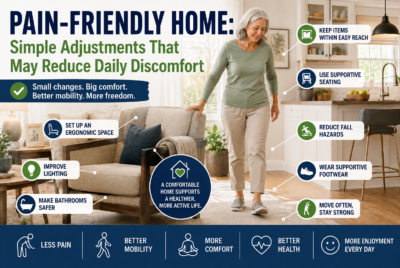
Pain-Friendly Home: How To Create A Home Environment That Helps Reduce Daily Pain
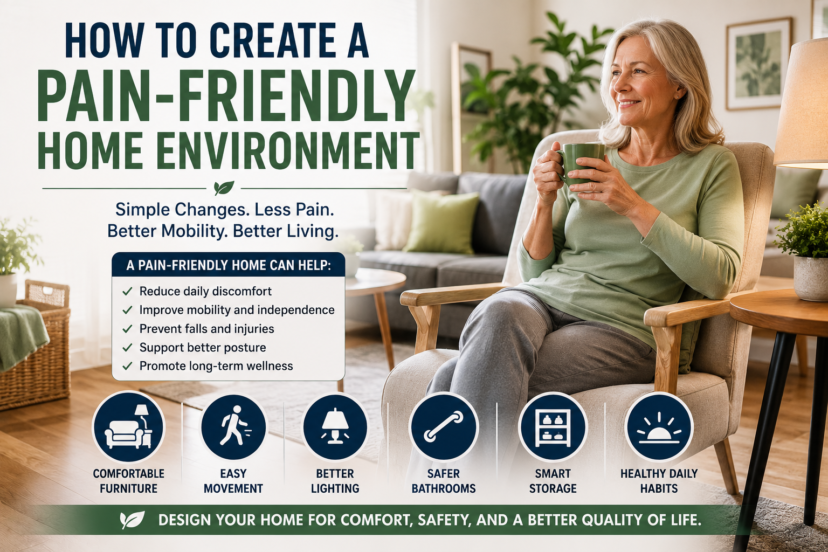
How to create a pain-friendly home? Have you ever noticed that some parts of your home seem to make your aches and pains worse? Maybe your kitchen counter feels too low, your favorite chair leaves your back stiff, or climbing the stairs has become more difficult than it used to be. While many people focus on medications or treatments, they often overlook one of the biggest influences on daily comfort—their home environment.
The good news is that you don’t need an expensive renovation to make your home work better for your body. Small, thoughtful changes can reduce strain on your joints, improve posture, make movement easier, and help you stay active and independent longer.
Creating a pain-friendly home means designing your everyday spaces to support healthy movement rather than working against it. Whether you’re managing arthritis, chronic back pain, joint stiffness, muscle soreness, or simply looking to age more comfortably, the right adjustments can make a noticeable difference.
In this guide, you’ll discover practical, science-backed ways to create a pain-friendly home, improve daily comfort, and support a healthier, more active lifestyle.
⭐ Quick Answer: Pain-Friendly Home
A pain-friendly home is designed to reduce unnecessary strain on your muscles and joints while making everyday activities easier and safer. Improving lighting, choosing supportive furniture, organizing frequently used items, reducing fall risks, improving posture, and creating comfortable movement spaces can help reduce discomfort and improve long-term mobility.
Key Takeaways
Most likely cause: A well-designed pain-friendly home helps reduce everyday discomfort by minimizing unnecessary strain on muscles and joints caused by poor ergonomics, awkward movements, and household hazards.
Usually serious? No. Many home-related aches are caused by daily habits and the way living spaces are arranged, although persistent or severe pain should be evaluated by a healthcare professional.
First thing to check: Look for areas where you frequently bend, reach, lift, twist, or stand for long periods, and identify furniture or layouts that make everyday tasks uncomfortable.
Best solution: Improve lighting, choose supportive furniture, organize commonly used items within easy reach, reduce trip hazards, and create ergonomic work and living spaces that encourage safe, comfortable movement throughout the day.
🏡 Why Your Home Environment Matters More Than You Think
Most people spend the majority of their time at home.
That means the way your home is arranged affects thousands of daily movements every week.
Small stresses add up, including:
- Bending repeatedly
- Twisting awkwardly
- Reaching overhead
- Sitting with poor posture
- Standing on hard floors
- Lifting heavy objects incorrectly
Over months and years, these habits can contribute to ongoing discomfort.
A pain-friendly home helps reduce these unnecessary stresses while encouraging healthier movement patterns.
💪 Benefits Of Creating A Pain-Friendly Home
Making your home more comfortable offers benefits far beyond pain relief.
You may notice:
- Better posture
- Less muscle fatigue
- Improved balance
- Easier movement
- Reduced joint strain
- Greater independence
- Better sleep
- Increased confidence
- Lower fall risk
Many people also discover they have more energy because daily activities require less effort.
🛋️ Choose Supportive Furniture
Furniture plays a major role in how your body feels.
Chairs
Look for chairs with:
- Firm cushions
- Good lumbar support
- Comfortable armrests
- Proper seat height
Very soft furniture often makes standing much harder.
Sofas
Avoid sinking deeply into oversized couches.
Instead, choose seating that supports your spine while allowing you to stand without excessive effort.
🪑 Improve Your Sitting Posture
Poor posture places unnecessary stress on your:
- Neck
- Shoulders
- Lower back
- Hips
- Knees
When sitting:
- Keep both feet flat.
- Bend knees about 90 degrees.
- Relax your shoulders.
- Keep your ears over your shoulders.
- Support your lower back with a small pillow if needed.
Take standing breaks every 30–60 minutes.
🚶 Create Easy Walking Paths
A clutter-free home encourages safer movement.
Remove:
- Loose rugs
- Electrical cords
- Small furniture obstacles
- Boxes in walkways
- Slippery mats
Leave enough space to comfortably walk through each room without twisting around furniture.
💡 Improve Lighting Throughout Your Home
Poor lighting increases fall risk.
Bright lighting helps you:
- See obstacles
- Judge stairs more accurately
- Improve balance
- Reduce hesitation while walking
Install:
- LED bulbs
- Motion-sensor lights
- Night lights
- Stair lighting
Well-lit pathways make nighttime bathroom trips much safer.
🚿 Make The Bathroom More Pain-Friendly
Bathrooms are among the highest-risk rooms for falls.
Helpful improvements include:
- Grab bars
- Non-slip bath mats
- Shower chair
- Handheld shower head
- Raised toilet seat
- Easy-to-reach toiletries
These simple upgrades improve both safety and comfort.
🍳 Organize Your Kitchen To Reduce Strain
Many people repeatedly bend, reach, and lift while cooking.
A pain-friendly home kitchen keeps commonly used items between waist and shoulder height.
Store frequently used:
- Plates
- Cups
- Pots
- Cooking utensils
- Pantry staples
Avoid storing heavy cookware on low shelves whenever possible.
🛏️ Build A Comfortable Bedroom
Quality sleep supports muscle recovery and pain management.
Choose:
- Supportive mattress
- Comfortable pillow
- Cool room temperature
- Blackout curtains
- Easy-to-reach bedside table
Keep essential items such as water, medications, glasses, and your phone within easy reach.
🧘 Create A Stretching And Exercise Area
Regular movement remains one of the best ways to reduce pain.
Dedicate a small area for:
- Stretching
- Resistance bands
- Yoga mat
- Foam roller
- Light dumbbells
Having a visible exercise space makes healthy habits easier to maintain.
🏋️ Home Exercises That Support Pain-Free Living
A pain-friendly home encourages daily movement.
Excellent low-impact exercises include:
Walking
Improves circulation and joint mobility.
Chair Exercises
Perfect for individuals with balance concerns.
Resistance Band Training
Strengthens muscles without excessive joint stress.
Tai Chi
Improves balance, flexibility, and coordination.
Yoga
Supports flexibility while reducing muscle tension.
Always begin gradually and stop if pain becomes significantly worse.
🩺 Physical Therapy Can Improve Your Home Setup
Physical therapists don’t only treat pain.
They also teach better movement strategies.
A therapist may recommend:
- Better lifting techniques
- Stair training
- Walking improvements
- Balance exercises
- Ergonomic adjustments
- Home safety modifications
Many therapists also perform home safety evaluations for people with mobility limitations.
🌿 Natural Pain Relief Methods At Home
Many simple strategies complement medical care.
Consider:
- Heat therapy
- Ice packs
- Gentle stretching
- Massage
- Relaxation breathing
- Mindfulness meditation
- Foam rolling
- Warm baths
These methods may temporarily reduce muscle tension and improve comfort.
🥗 Nutrition Supports Joint Health
Healthy eating supports the entire musculoskeletal system.
Focus on:
- Colorful vegetables
- Fruits
- Lean protein
- Fatty fish
- Nuts
- Whole grains
- Beans
- Olive oil
Stay hydrated throughout the day.
Some adults discuss supplements with their healthcare provider, including:
- Vitamin D
- Omega-3 fatty acids
- Magnesium
- Turmeric
- Collagen peptides
Always seek professional guidance before starting supplements.
🪜 Reduce Fall Risks Throughout The Home
Falls often lead to serious injuries in older adults.
Simple improvements include:
- Handrails on both sides of stairs
- Non-slip flooring
- Secure rugs
- Proper footwear indoors
- Clear pathways
- Good lighting
- Frequently used items within reach
Fall prevention is one of the biggest advantages of creating a pain-friendly home.
😊 Support Mental Well-Being Too
Living with chronic pain affects more than your body.
Stress and anxiety may increase muscle tension and make discomfort feel worse.
Create calming spaces for:
- Reading
- Deep breathing
- Meditation
- Listening to music
- Spending time with family
- Hobbies you enjoy
Reducing emotional stress often helps improve physical comfort as well.
🌟 Long-Term Habits For A Pain-Friendly Home
Small daily habits create lasting improvements.
Focus on:
- Moving every hour
- Stretching daily
- Maintaining a healthy weight
- Wearing supportive shoes
- Using proper posture
- Sleeping seven to nine hours
- Staying socially active
- Strength training twice weekly
Consistency matters far more than perfection.
⚕️ When To See A Doctor
Home improvements can make daily life more comfortable, but they are not a substitute for medical care.
Consult a healthcare professional if you experience:
- Pain lasting more than several weeks
- Severe joint swelling
- Sudden weakness
- Numbness
- Difficulty walking
- Frequent falls
- Fever with joint pain
- Pain after a serious injury
- Loss of bladder or bowel control
A healthcare provider can evaluate the underlying cause and recommend treatments such as physical therapy, medications, imaging, or referrals to specialists when needed.
❓ FAQs: Pain-Friendly Home
1. What is a pain-friendly home?
A pain-friendly home is designed to reduce strain on your muscles and joints while making daily activities easier, safer, and more comfortable.
2. Can changing my home reduce chronic pain?
Home modifications cannot cure chronic pain, but they may reduce unnecessary physical stress and improve comfort during everyday activities.
3. Which room should I improve first?
Many experts recommend starting with the bathroom because it has one of the highest risks for falls and injuries.
4. What type of chair is best for chronic pain?
A supportive chair with firm cushioning, lumbar support, armrests, and proper seat height is often the most comfortable.
5. Do I need expensive renovations?
No. Many effective improvements involve simple, low-cost changes such as better lighting, removing clutter, adding grab bars, or reorganizing storage.
6. Can physical therapy help improve my home setup?
Yes. Physical therapists often recommend ergonomic changes, exercises, and movement strategies tailored to your home and daily activities.
7. Is a pain-friendly home only for older adults?
No. Anyone living with arthritis, back pain, joint problems, injuries, or chronic pain may benefit from creating a more supportive home environment.
📌 Final Thoughts On Pain-Friendly Home
Creating a pain-friendly home isn’t about making your house perfect—it’s about making it work better for you. Small adjustments like improving lighting, choosing supportive furniture, organizing your kitchen, reducing fall hazards, and creating spaces that encourage healthy movement can have a meaningful impact on your daily comfort and independence.
Remember, lasting improvements come from consistent habits rather than quick fixes. Pair your home modifications with regular movement, good posture, healthy nutrition, quality sleep, and guidance from healthcare professionals when needed. Over time, these practical changes can help you reduce discomfort, move with greater confidence, and continue enjoying the activities that make life fulfilling.
Every step toward a more pain-friendly home is an investment in your long-term health, mobility, and quality of life.
Medical Disclaimer
This article is for educational and informational purposes only and is not intended as medical advice. Always consult a qualified healthcare professional before making significant changes to your exercise routine, treatment plan, or home environment, especially if you have chronic pain, mobility limitations, or underlying medical conditions. Seek immediate medical attention if you experience severe pain, sudden weakness, loss of sensation, difficulty walking, or symptoms of a medical emergency.
 Explore more: