
Dehydration And Joint Pain: Can Not Drinking Enough Water Make Your Body Hurt More?
How Your Hydration is Affecting Joint Health
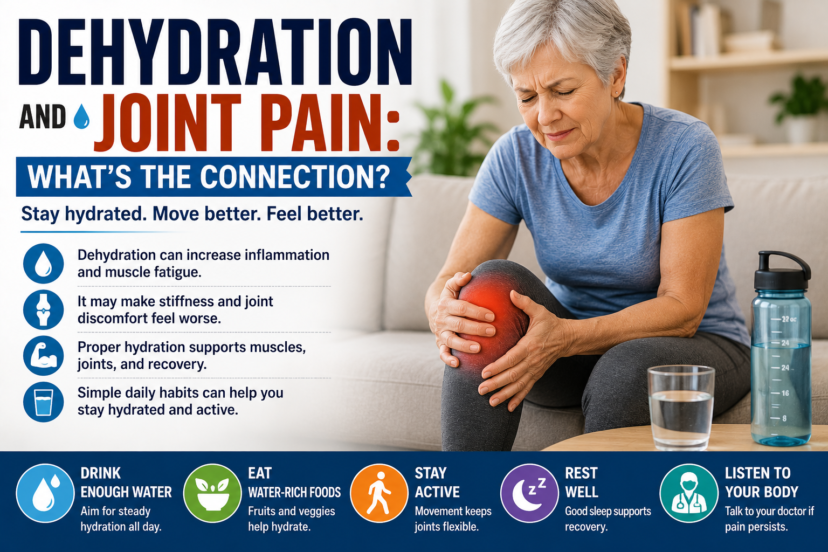
If your knees feel stiff, your muscles seem unusually tired, or a normal walk suddenly feels harder, it’s tempting to blame age or an old injury. But your hydration habits may also deserve attention. The relationship between dehydration and joint pain is often oversimplified: not drinking enough water isn’t a proven direct cause of most chronic joint pain, but dehydration can affect physical performance, muscle function, fatigue, and overall comfort.
This becomes particularly important as we get older because thirst can become a less reliable reminder to drink. Hot weather, exercise, certain medications, illness, and simply forgetting to drink during a busy day can also increase the risk of dehydration.
The solution isn’t to force gallons of water or expect hydration to cure arthritis. Instead, maintaining appropriate hydration is one part of supporting healthy movement, exercise recovery, and everyday well-being.
Here’s what the science suggests—and how to hydrate more intelligently.
⭐ Quick Answer: Dehydration And Joint Pain
Dehydration and joint pain may seem connected because inadequate fluid intake can contribute to fatigue, reduced exercise performance, muscle cramps in some circumstances, headaches, and a general feeling of physical discomfort. However, dehydration isn’t considered a primary cause of conditions such as osteoarthritis. Drinking enough fluids supports normal body function, but persistent joint pain should be evaluated rather than treated with water alone.
Key Takeaways
Most likely cause: If you feel achier when dehydrated, reduced fluid levels may be contributing to fatigue, muscle discomfort, decreased exercise tolerance, or a general sense of stiffness rather than directly causing joint disease.
Usually serious? Mild dehydration is often reversible, but significant dehydration can become dangerous, particularly for older adults and people with certain health conditions.
First thing to check: When considering dehydration and joint pain, look for other signs of inadequate hydration, such as thirst, darker urine, dry mouth, headache, dizziness, or reduced urination.
Best solution: Drink fluids regularly, increase intake appropriately during exercise and hot weather, eat water-rich foods, and seek medical advice for persistent joint or muscle pain rather than assuming hydration alone will solve it.
💧 What Dehydration Actually Does To Your Body
Water is involved in almost every major system in your body.
It helps regulate temperature, transport nutrients, support circulation, remove waste, and maintain normal cellular function.
Your body continually loses water through:
- Urination
- Sweating
- Breathing
- Bowel Movements
Those losses increase during exercise, hot weather, fever, vomiting, and diarrhea.
When you lose more fluid than you replace, dehydration develops.
Even relatively modest dehydration can make physical activity feel harder. You may experience greater fatigue or notice that your normal workout requires more effort.
That can indirectly affect how comfortable your muscles and joints feel during everyday activity.
🦴 Does Dehydration Actually Cause Joint Pain?
This is where it’s important to separate popular health claims from evidence.
You’ll sometimes hear that drinking extra water “lubricates your joints” and therefore eliminates arthritis pain.
That’s too simplistic.
Healthy joints contain synovial fluid, which helps reduce friction, and cartilage has a high water content. But that doesn’t mean drinking several extra glasses of water directly increases joint lubrication or reverses damaged cartilage.
Conditions such as osteoarthritis involve complex structural and biological changes within the joint.
So while adequate hydration supports normal physiology, water isn’t an arthritis treatment by itself.
The connection between dehydration and joint pain is more likely to involve overall physical function, fatigue, muscle performance, exercise tolerance, and other effects of inadequate fluid intake.
💪 Dehydration Can Affect Muscle Function
Your muscles depend on appropriate fluid and electrolyte balance to function normally.
When you’re dehydrated, exercise can become more difficult, particularly in hot conditions.
You may tire more quickly, and your physical performance may decline.
Some people also associate dehydration with muscle cramping. Exercise-associated muscle cramps are complicated, however, and aren’t always caused simply by failing to drink enough water.
Fatigue and reduced muscle performance can affect movement quality.
When muscles become tired, you may walk differently, shorten your stride, or rely more heavily on other muscles.
For someone already dealing with knee, hip, or back discomfort, that extra fatigue may make symptoms more noticeable.
🌡️ Hot Weather Makes Hydration More Important
Summer creates additional challenges, particularly for people who walk, garden, exercise, or work outdoors.
Sweating is one of your body’s primary cooling mechanisms.
As temperatures rise, you can lose considerably more fluid.
People living in hot U.S. climates such as Arizona, Texas, Nevada, or Florida may need to pay particularly close attention to hydration during outdoor activity.
Don’t wait until you’re severely thirsty during a long summer walk.
Drink regularly, take breaks in cooler environments, and modify strenuous activity during extreme heat.
Hot weather can become dangerous quickly, especially for older adults and people taking certain medications.
👴 Why Dehydration Can Be Easier To Miss As You Age
Older adults deserve special attention when discussing dehydration and joint pain because hydration can become more challenging with age.
The sensation of thirst may become less pronounced, meaning you might not feel thirsty even when your body would benefit from fluids.
Other factors may include:
- Medications That Increase Urination
- Mobility Limitations
- Difficulty Accessing Drinks
- Fear Of Frequent Bathroom Trips
- Memory Problems
- Certain Medical Conditions
Some people intentionally drink less because getting to the bathroom is inconvenient.
That strategy can create other health problems.
If urinary frequency prevents you from drinking comfortably, discuss the issue with your healthcare provider instead of routinely restricting fluids without medical advice.
🚰 How Much Water Do You Actually Need?
You’ve probably heard the advice to drink eight glasses of water every day.
It’s easy to remember, but hydration needs aren’t identical for everyone.
Your needs depend on factors including:
- Body Size
- Activity Level
- Climate
- Diet
- Pregnancy Or Breastfeeding
- Medications
- Medical Conditions
The National Academies have historically cited an adequate intake for total water of about 3.7 liters per day for men and 2.7 liters for women. Importantly, those numbers include water from all beverages and foods, not just glasses of plain water.
Many foods contribute substantial fluid.
There’s therefore no need for every person to force the same number of ounces.
🍉 Food Can Help You Stay Hydrated Too
Plain water is an excellent hydration choice, but it isn’t your only source.
Water-rich foods include:
- Watermelon
- Strawberries
- Oranges
- Grapes
- Cucumbers
- Tomatoes
- Lettuce
- Melons
- Soups
- Yogurt
A diet rich in fruits and vegetables can contribute meaningfully to total fluid intake while also providing vitamins, minerals, fiber, and other nutrients.
For many people, pairing water with meals and snacks is an easy way to make hydration automatic.
☕ Does Coffee Count Toward Hydration?
Coffee and tea do contribute fluid.
Although caffeine can have a mild diuretic effect, moderate amounts of caffeinated beverages still count toward total fluid intake for most healthy adults.
That doesn’t mean unlimited caffeine is a good idea.
Excess caffeine may interfere with sleep or cause other unwanted effects in sensitive individuals.
If you enjoy coffee, you don’t necessarily have to give it up to remain hydrated.
Simply make water and other nutritious beverages regular parts of your day as well.
🥤 Do You Need Electrolyte Drinks?
For ordinary daily activity, most people don’t need specialized electrolyte beverages.
Water combined with a balanced diet is generally adequate.
Electrolyte replacement can become more useful during prolonged strenuous exercise, heavy sweating, or certain illnesses involving substantial fluid losses.
Many commercial sports drinks contain significant amounts of added sugar, so they aren’t automatically healthier than water.
Sugar-free electrolyte products are also widely available in the U.S., but more electrolytes aren’t always better.
People with kidney disease, heart disease, high blood pressure, or certain medication regimens should discuss electrolyte products with a healthcare professional.
🚶 Hydration And Exercise For Joint Comfort
If you experience dehydration and joint pain together after long walks or workouts, consider what else is happening.
Maybe you exercised longer than usual.
Perhaps the weather was hotter.
Maybe you didn’t eat adequately or slept poorly.
Instead of blaming one factor, improve the entire recovery process.
Before activity:
- Begin Reasonably Hydrated
- Wear Appropriate Clothing
- Choose Comfortable Footwear
- Warm Up Gradually
During longer activity:
- Drink According To Your Needs
- Take Breaks
- Reduce Intensity In Heat
- Pay Attention To Dizziness Or Unusual Fatigue
Afterward, replace fluids and eat a balanced meal or snack that supports recovery.
🧘 Natural Ways To Improve Muscle And Joint Comfort
Hydration works best alongside other healthy habits.
Keep Moving
Gentle movement can reduce the sensation of stiffness after prolonged sitting.
Try walking, stationary cycling, swimming, or comfortable mobility exercises.
Build Strength
Strong muscles help support your joints and make everyday movements easier.
Consider exercises such as sit-to-stands, bridges, step-ups, wall push-ups, and resistance-band exercises appropriate for your abilities.
Use Heat For Stiff Muscles
A warm shower or heating pad may temporarily relax stiff or tense muscles.
Follow product safety instructions and avoid sleeping on a heating pad.
Prioritize Sleep
Poor sleep can increase fatigue and make pain harder to tolerate.
Consistent sleep habits support both physical recovery and overall well-being.
🪑 Posture And Movement Still Matter
Drinking more water won’t compensate for sitting at a computer without moving for eight hours.
If your neck, back, or hips feel stiff by afternoon, your movement habits may matter more than your water bottle.
Change positions regularly.
Stand up during phone calls.
Walk for a few minutes between long work periods.
Keep your monitor at a comfortable viewing height and your keyboard within easy reach.
Rather than trying to maintain “perfect posture,” focus on avoiding prolonged static positions.
🩺 How Physical Therapy Can Help Persistent Pain
If joint or muscle discomfort repeatedly limits your activity, physical therapy may be more useful than searching for another hydration hack.
A physical therapist can assess:
- Joint Mobility
- Muscle Strength
- Balance
- Walking Mechanics
- Posture
- Activity Tolerance
- Movement Patterns
Treatment may include strengthening, mobility exercises, balance training, activity modification, and a gradual return to exercise.
Hydration supports your body, but persistent pain often requires a broader approach.
⚠️ Who Should Be Careful About Drinking More Water?
“Drink more water” isn’t safe advice for everyone.
People with certain kidney, heart, or liver conditions may need individualized fluid recommendations.
Excessive water intake can also be dangerous because it can dilute sodium in the blood, a condition known as hyponatremia.
More is not always better.
If your healthcare provider has given you a fluid restriction or specific hydration target, follow that guidance rather than general online recommendations.
🚨 When To See A Doctor
Don’t assume persistent pain is simply the result of dehydration.
Talk with a healthcare professional if joint or muscle pain lasts for several weeks, repeatedly worsens, significantly limits activity, or is accompanied by unexplained symptoms.
Seek prompt medical attention for:
- A Hot, Red, Swollen Joint
- Severe Or Sudden Pain
- Inability To Bear Weight
- New Significant Weakness
- Severe Dizziness Or Confusion
- Fainting
- Very Little Or No Urination
- Rapid Heartbeat With Significant Illness
- Severe Vomiting Or Diarrhea
- Signs Of Heat-Related Illness
Severe dehydration can require medical treatment rather than simply drinking a glass of water at home.
❓ FAQs About Dehydration And Joint Pain
Can Dehydration Cause Joint Pain?
Dehydration isn’t considered a primary cause of most chronic joint conditions, but inadequate fluid intake may contribute to fatigue, reduced physical performance, and general discomfort that can make existing aches more noticeable.
Can Drinking More Water Help Arthritis Pain?
Staying adequately hydrated supports overall health, but drinking extra water isn’t a proven treatment for osteoarthritis or other forms of arthritis. Exercise, weight management when appropriate, physical therapy, medications, and medical care may be needed.
How Do I Know If I’m Dehydrated?
Possible signs include thirst, dry mouth, darker urine, reduced urination, headache, fatigue, and dizziness. Symptoms vary, and severe dehydration can cause confusion or fainting.
Can Dehydration Cause Muscle Aches?
Inadequate hydration can affect physical performance and may contribute to fatigue or muscle discomfort, particularly during exercise or hot weather. Muscle aches can have many other causes as well.
How Much Water Should I Drink For Joint Health?
There isn’t a specific amount of water that has been proven to eliminate joint pain. Fluid requirements vary based on body size, activity, climate, diet, health conditions, and medications.
Are Electrolytes Better Than Water For Joint Pain?
No evidence shows that electrolyte drinks specifically treat joint pain. They may be useful for replacing fluid and electrolytes after prolonged heavy sweating or certain illnesses, but plain water is appropriate for most routine hydration.
Can Dehydration Make Arthritis Feel Worse?
Dehydration may contribute to fatigue and reduced exercise tolerance, which could make an already uncomfortable day feel harder. However, worsening arthritis symptoms should not automatically be blamed on dehydration.
🌟 Final Thoughts: Hydrate Smart, But Look At The Whole Picture
The relationship between dehydration and joint pain isn’t as simple as “drink more water, and your joints will stop hurting.”
Hydration matters because your entire body depends on appropriate fluid balance.
But comfortable movement also depends on muscle strength, physical activity, sleep, nutrition, healthy body weight, joint health, and appropriate medical care.
Make hydration easy.
Keep water nearby. Drink with meals. Eat water-rich fruits and vegetables. Pay more attention during exercise and hot weather.
Then combine those habits with regular movement and progressive strengthening.
Small habits practiced consistently usually matter far more than chasing a quick cure.
Support your whole body, stay active within your abilities, and give yourself time to build the strength and resilience that make everyday life more comfortable.
Medical Disclaimer: This article is for educational and informational purposes only and is not intended to diagnose, treat, cure, or prevent any medical condition. It does not replace personalized advice from a physician, physical therapist, registered dietitian, pharmacist, or other qualified healthcare professional. Seek professional guidance for persistent or worsening pain, suspected dehydration, medical conditions, medications, supplements, or questions about appropriate fluid intake.
 Explore more:
- Why Do Stairs Make My Knees Hurt More?
- Stretching Routine For Stiff Muscles: 10 Simple
- Why Does Going Downstairs Hurt My Back?



Comments are closed.