Chronic Pain Myths: What Most People Get Wrong About Chronic Pain
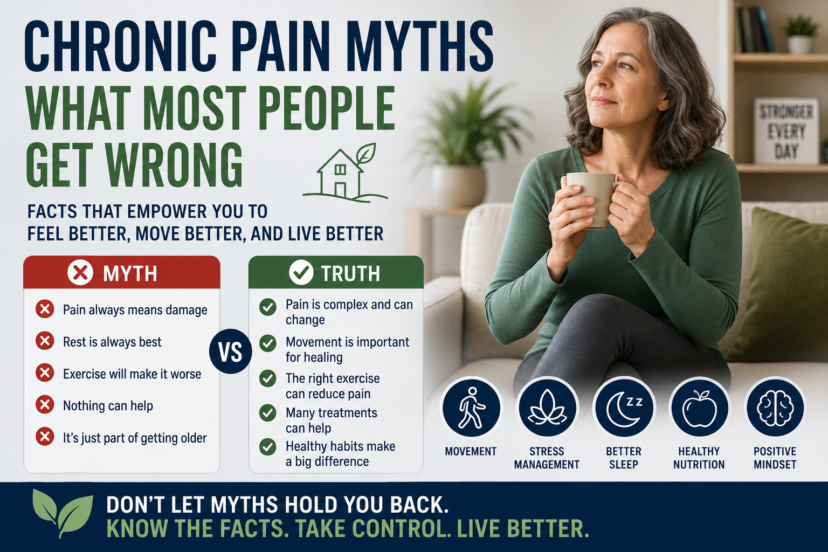
What are the biggest chronic pain myths? Living with chronic pain can be frustrating, exhausting, and sometimes confusing. Friends may offer well-meaning advice, social media is filled with quick fixes, and outdated beliefs can make it difficult to know what actually helps. Many adults begin avoiding activities they enjoy because they fear making their pain worse, while others believe nothing can improve their condition.
The truth is that many of the most common beliefs about chronic pain simply aren’t supported by modern research. In fact, understanding how pain works can be one of the most powerful steps toward improving your mobility, confidence, and quality of life.
While chronic pain is very real, it doesn’t always mean ongoing damage is happening inside your body. Your nervous system, muscles, joints, lifestyle habits, stress levels, sleep quality, and overall health all play important roles in how pain is experienced.
This guide explores the biggest chronic pain myths, explains what current science tells us instead, and shares practical strategies you can use to move more comfortably, stay active, and support long-term healthy aging.
⭐ Quick Answer: Chronic Pain Myths
Many chronic pain myths suggest that pain always means damage, exercise should be avoided, or nothing can improve long-term pain. Modern research shows that chronic pain is complex and often influenced by the nervous system, movement habits, sleep, stress, and overall health. For many people, gradual activity, physical therapy, healthy lifestyle habits, and personalized treatment plans can significantly improve daily comfort.
Key Takeaways
Most likely cause: Many chronic pain myths come from outdated beliefs and misunderstandings about how pain works, leading people to avoid helpful activities or expect that pain always means ongoing damage.
Usually serious? Not usually. Chronic pain is a real medical condition, but it does not always indicate that an injury is worsening. Persistent or unexplained pain should still be evaluated by a healthcare professional.
First thing to check: Consider whether your beliefs about pain are based on current medical guidance or common misconceptions, and identify any habits—such as avoiding movement—that may be limiting your recovery.
Best solution: Learn the facts about chronic pain, stay as active as your condition allows, prioritize quality sleep, manage stress, and work with a healthcare professional to develop a personalized plan that supports long-term mobility and well-being.
🧠 Why Chronic Pain Is Often Misunderstood
One reason chronic pain myths continue to spread is that pain is much more complicated than people realize.
Pain isn’t created only by injured tissues.
Instead, your brain constantly evaluates information from:
- Muscles
- Joints
- Nerves
- Previous injuries
- Stress levels
- Sleep quality
- Emotions
- Immune system activity
These signals combine to determine how much pain you experience.
That’s why two people with similar X-rays may report very different pain levels.
Modern pain science focuses on treating the whole person—not just the painful body part.
❌ Myth #1: Pain Always Means Something Is Being Damaged
This is one of the biggest chronic pain myths.
While sudden pain after an injury often protects your body, chronic pain doesn’t always indicate ongoing damage.
For example:
- Arthritis pain may fluctuate daily.
- Old injuries can hurt long after healing.
- Muscle tension can increase pain without causing injury.
Pain is real, but its intensity doesn’t always match tissue damage.
Understanding this can reduce unnecessary fear and encourage healthy movement.
🚶 Myth #2: You Should Avoid Exercise If You Have Chronic Pain
Many people stop moving because they’re afraid exercise will make things worse.
In reality, appropriate movement is often one of the most effective treatments.
Regular exercise may help:
- Improve flexibility
- Strengthen muscles
- Support joint health
- Improve circulation
- Reduce stiffness
- Improve balance
- Boost mood
Low-impact activities often work best.
Examples include:
- Walking
- Swimming
- Cycling
- Water aerobics
- Yoga
- Tai Chi
The goal is gradual progress—not pushing through severe pain.
😴 Myth #3: Better Sleep Doesn’t Affect Pain
Sleep and pain are closely connected.
Poor sleep can increase:
- Pain sensitivity
- Muscle tension
- Fatigue
- Inflammation
- Stress
Meanwhile, chronic pain often disrupts sleep quality.
Improving sleep habits may reduce pain intensity over time.
Helpful strategies include:
- Consistent bedtime
- Cool bedroom
- Limiting screen time
- Gentle stretching
- Relaxation techniques
💪 Myth #4: Strength Training Is Bad For Painful Joints
Many adults fear lifting weights.
However, properly supervised strength training often protects joints rather than harming them.
Stronger muscles:
- Improve joint stability
- Reduce stress on cartilage
- Improve balance
- Make daily tasks easier
Light resistance bands, bodyweight exercises, and supervised weight training can all be beneficial.
⚖️ Myth #5: Aging Automatically Means Constant Pain
Growing older does increase the likelihood of certain joint changes, but pain is not an inevitable part of aging.
Many older adults remain active well into their 70s, 80s, and beyond.
Healthy habits make a difference:
- Staying active
- Maintaining a healthy weight
- Strength training
- Good nutrition
- Quality sleep
- Stress management
Age affects the body, but lifestyle strongly influences how you feel.
🩺 Myth #6: Surgery Is The Only Solution
Surgery is appropriate for certain medical conditions, but many cases of chronic pain improve without it.
Conservative treatments often include:
- Physical therapy
- Exercise
- Weight management
- Anti-inflammatory nutrition
- Heat or cold therapy
- Stress reduction
- Better sleep habits
Always discuss treatment options with your healthcare provider before considering surgery.
🧘 Myth #7: Stress Has Nothing To Do With Physical Pain
Stress doesn’t mean pain is “all in your head.”
Instead, chronic stress affects your body by:
- Increasing muscle tension
- Raising cortisol levels
- Reducing sleep quality
- Increasing pain sensitivity
Helpful stress-management techniques include:
- Deep breathing
- Meditation
- Mindfulness
- Journaling
- Walking outdoors
- Spending time with loved ones
Managing stress supports both physical and emotional well-being.
🏃 Myth #8: Rest Is Always Better Than Movement
Short periods of rest after an injury can be helpful.
However, prolonged inactivity often leads to:
- Muscle weakness
- Joint stiffness
- Poor circulation
- Reduced flexibility
- Lower endurance
Gradual movement usually helps the body recover more effectively than complete inactivity.
🏡 Lifestyle Changes Matter More Than Many People Realize
Pain management rarely depends on a single solution.
Instead, successful long-term management often combines several healthy habits.
Helpful lifestyle changes include:
- Daily walking
- Stretching
- Strength training
- Healthy eating
- Quality sleep
- Weight management
- Staying socially connected
- Managing stress
Small improvements practiced consistently often produce meaningful results.
🧍 Improve Your Posture Throughout The Day
Poor posture may increase unnecessary stress on muscles and joints.
Healthy posture includes:
- Relaxed shoulders
- Neutral spine
- Feet flat on the floor while sitting
- Frequent standing breaks
- Proper workstation setup
Simple posture improvements often reduce muscle fatigue throughout the day.
🤸 Physical Therapy Helps Correct Movement Patterns
Physical therapists do much more than prescribe exercises.
They also evaluate:
- Walking mechanics
- Muscle imbalances
- Joint mobility
- Flexibility
- Balance
- Daily movement habits
Treatment plans often include:
- Stretching
- Strengthening
- Manual therapy
- Home exercises
- Education about pain
Many people gain confidence by learning that movement is safe again.
🌿 Natural Relief Methods That May Help
Natural strategies can complement medical care.
Examples include:
- Heat therapy
- Ice packs
- Massage
- Foam rolling
- Yoga
- Gentle stretching
- Relaxation breathing
- Warm baths
These approaches may help reduce muscle tension and improve comfort.
🥗 Nutrition Supports Pain-Free Living
Eating well supports your muscles, bones, joints, and immune system.
Focus on:
- Vegetables
- Fruits
- Lean protein
- Whole grains
- Healthy fats
- Nuts
- Beans
- Fish rich in omega-3s
Some adults discuss supplements with their healthcare provider, including:
- Omega-3 fatty acids
- Vitamin D
- Magnesium
- Turmeric (curcumin)
- Collagen peptides
Supplements should never replace medical care or a balanced diet.
🌟 Build Long-Term Healthy Habits
Rather than searching for miracle cures, focus on consistency.
Aim to:
- Move every day
- Stretch regularly
- Sleep seven to nine hours
- Stay hydrated
- Manage stress
- Maintain healthy body weight
- Continue hobbies you enjoy
- Stay socially active
Small daily improvements often create lasting changes.
⚕️ When To See A Doctor
While many lifestyle changes help manage chronic pain, seek medical evaluation if you experience:
- Severe or worsening pain
- Pain after a significant injury
- Sudden weakness
- Numbness
- Fever with pain
- Unexplained weight loss
- Difficulty walking
- Loss of bladder or bowel control
- Pain that persists despite self-care
Early diagnosis may help identify treatable conditions and prevent complications.
❓ FAQs: Chronic Pain Myths
1. What are the biggest chronic pain myths?
Common myths include believing pain always means damage, exercise should be avoided, or nothing can improve chronic pain.
2. Can chronic pain improve over time?
Yes. Many people experience meaningful improvement through exercise, physical therapy, healthy lifestyle habits, and individualized treatment.
3. Is it safe to exercise with chronic pain?
For many people, yes. Low-impact exercise and professionally guided strengthening are often recommended, though it’s important to follow advice tailored to your condition.
4. Does stress really increase pain?
Yes. Chronic stress can increase muscle tension and make your nervous system more sensitive to pain signals.
5. Can better sleep reduce chronic pain?
Improving sleep quality may reduce pain sensitivity, improve recovery, and support overall health.
6. Should I avoid lifting weights if my joints hurt?
Not necessarily. Proper strength training often improves joint support and function when performed correctly.
7. Is chronic pain just a normal part of aging?
No. While aging increases the risk of certain conditions, persistent pain should not simply be accepted as inevitable, and many treatments and lifestyle changes can help.
📌 Conclusion: Chronic Pain Myths
Believing common chronic pain myths can sometimes create unnecessary fear, limit your activity, and prevent you from trying strategies that may truly help. The encouraging news is that modern pain science offers a more hopeful perspective. Chronic pain is complex, but it is often manageable through a combination of movement, healthy habits, stress management, quality sleep, and personalized medical care.
Instead of focusing on quick fixes, build a foundation of small, consistent improvements. Strengthen your body, stay active within your comfort level, improve your posture, nourish yourself well, and work with healthcare professionals when needed. Progress may take time, but every positive step can help you move with greater confidence, reduce discomfort, and enjoy a healthier, more active life.
Medical Disclaimer
This article is for educational and informational purposes only and should not be considered medical advice. Always consult a qualified healthcare professional before beginning any new exercise program, supplement, or treatment plan, especially if you have chronic pain, underlying medical conditions, or take prescription medications. Seek immediate medical attention if you experience severe pain, sudden weakness, numbness, loss of bladder or bowel control, chest pain, or other symptoms of a medical emergency.
 Explore more: