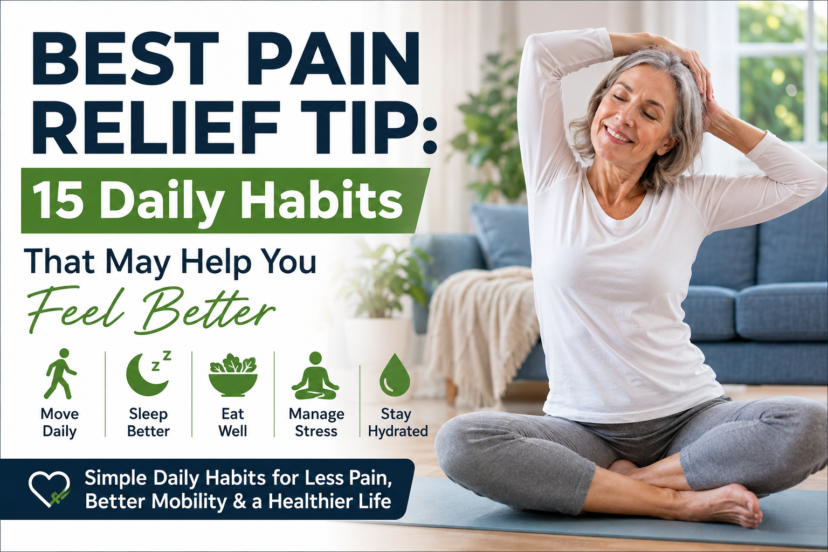
Best Pain Relief Tip: 15 Daily Habits That May Help You Feel Better
What is the best pain relief tip? Living with daily aches, stiffness, or discomfort can make even simple activities feel more challenging. Whether it’s getting out of bed in the morning, climbing stairs, gardening, walking the dog, or enjoying time with family, pain can slowly affect your confidence, mobility, and quality of life.
The good news is that many people find relief through small, consistent lifestyle changes rather than relying solely on quick fixes. While there is no single best pain relief tip that works for everyone, science suggests that daily habits related to movement, posture, sleep, nutrition, and stress management can make a meaningful difference over time.
If you’re looking for practical ways to reduce discomfort, improve mobility, and stay active as you age, these evidence-based habits may help you move better and feel more comfortable throughout your day.
💡 Quick Answer: Best Pain Relief Tip
The best pain relief tip is often consistency rather than a single solution. Daily habits such as regular movement, proper posture, quality sleep, healthy nutrition, stress management, hydration, and gentle exercise may help reduce discomfort, support joint and muscle health, and improve overall quality of life.
Key Takeaways
Most likely cause: Everyday aches and pains are often linked to a combination of inactivity, poor posture, muscle tightness, stress, aging, or repetitive movements rather than a single cause.
Usually serious? Not usually. Most mild, ongoing discomfort improves with healthy lifestyle habits, but severe, persistent, or worsening pain should be evaluated by a healthcare professional.
First thing to check: Consider when your pain occurs, what activities make it better or worse, and whether daily habits such as movement, sleep, posture, or stress may be contributing.
Best solution: The best pain relief tip is to stay consistent with healthy habits, including regular movement, gentle exercise, good posture, quality sleep, balanced nutrition, hydration, and stress management to support long-term comfort and mobility.
🔹 Why Daily Habits Matter For Pain Relief
Many people focus only on treating pain after it appears. However, one of the most effective long-term strategies is addressing the factors that may contribute to discomfort in the first place.
Common contributors include:
- Poor posture
- Physical inactivity
- Muscle weakness
- Chronic stress
- Inadequate sleep
- Dehydration
- Excess body weight
- Joint wear and tear
- Repetitive movements
The best pain relief tip often involves improving several of these areas at the same time rather than searching for one miracle solution.
🔹 Best Pain Relief Tip #1: Keep Moving Throughout The Day
Movement helps maintain joint flexibility, blood flow, and muscle strength.
Instead of sitting for hours:
- Take short walking breaks
- Stretch every 30–60 minutes
- Use stairs when possible
- Park farther away from entrances
Even a few minutes of movement can help prevent stiffness and improve mobility.
🔹 Best Pain Relief Tip #2: Walk Daily
Walking remains one of the most accessible forms of exercise for adults of all ages.
Benefits may include:
- Improved circulation
- Better joint mobility
- Reduced stiffness
- Enhanced mood
- Better cardiovascular health
Many physical therapists recommend starting with 10–15 minutes daily and gradually increasing duration.
🔹 Best Pain Relief Tip #3: Improve Your Posture
Poor posture places additional stress on muscles and joints.
Common posture mistakes:
- Rounded shoulders
- Forward head position
- Slouching while sitting
- Looking down at phones frequently
Simple posture improvements can reduce unnecessary strain on the neck, back, and shoulders.
🔹 Best Pain Relief Tip #4: Prioritize Quality Sleep
Sleep is when the body performs much of its recovery and repair work.
To improve sleep quality:
- Maintain a consistent bedtime
- Limit screen use before bed
- Keep your room cool and dark
- Avoid large meals late at night
Many adults notice increased discomfort after several nights of poor sleep.
🔹 Best Pain Relief Tip #5: Stay Hydrated
Hydration supports numerous bodily functions, including healthy muscle and joint function.
Helpful habits:
- Carry a reusable water bottle
- Drink water throughout the day
- Increase fluids during hot weather
- Limit excessive sugary beverages
Dehydration may contribute to muscle tightness and fatigue.
🔹 Best Pain Relief Tip #6: Strengthen Supporting Muscles
Weak muscles often force joints to work harder.
Focus on strengthening:
- Core muscles
- Glutes
- Legs
- Back muscles
- Shoulders
Resistance bands and bodyweight exercises can be effective starting points for many adults.
🔹 Best Pain Relief Tip #7: Stretch Regularly
Gentle stretching helps maintain flexibility and range of motion.
Popular options include:
- Hamstring stretches
- Calf stretches
- Hip flexor stretches
- Chest stretches
- Neck mobility exercises
Consistency often matters more than intensity.
🔹 Best Pain Relief Tip #8: Maintain A Healthy Weight
Excess weight increases stress on weight-bearing joints.
Even modest weight loss may help reduce pressure on:
- Knees
- Hips
- Lower back
- Ankles
A balanced nutrition plan combined with regular activity can support long-term comfort.
🔹 Best Pain Relief Tip #9: Manage Stress Levels
Stress can affect how the body perceives discomfort.
Helpful stress-reduction methods include:
- Deep breathing
- Meditation
- Walking outdoors
- Yoga
- Journaling
- Spending time with loved ones
Many people are surprised by the connection between stress and physical discomfort.
🔹 Best Pain Relief Tip #10: Eat Anti-Inflammatory Foods
Nutrition may play an important role in supporting overall wellness.
Foods commonly included in anti-inflammatory eating plans:
- Fatty fish
- Berries
- Leafy greens
- Olive oil
- Nuts
- Beans
These foods provide nutrients that support healthy body function.
🔹 Best Pain Relief Tip #11: Consider Physical Therapy
Physical therapists specialize in improving movement and function.
They may help with:
- Exercise programs
- Mobility training
- Posture correction
- Balance improvement
- Recovery strategies
Physical therapy often provides practical tools that can support long-term improvement.
🔹 Best Pain Relief Tip #12: Use Heat And Cold Therapy Wisely
Heat may help relax tight muscles.
Cold therapy may help calm irritated tissues after activity.
Common options include:
- Heating pads
- Warm showers
- Ice packs
- Cold compresses
Always follow product instructions and avoid prolonged exposure.
🔹 Best Pain Relief Tip #13: Create An Ergonomic Environment
Many adults spend hours sitting at desks or using electronic devices.
Consider:
- Adjustable chairs
- Proper monitor height
- Lumbar support
- Standing desk options
- Ergonomic keyboards
Small adjustments can make a noticeable difference over time.
🔹 Best Pain Relief Tip #14: Support Joint Health With Proper Nutrition
Certain nutrients play important roles in maintaining healthy bones, muscles, and joints.
Examples include:
- Protein
- Vitamin D
- Calcium
- Magnesium
- Omega-3 fatty acids
Many Americans fall short in one or more of these nutrients.
🔹 Best Pain Relief Tip #15: Be Consistent And Patient
One of the biggest mistakes people make is expecting immediate results.
Healthy habits often require:
- Weeks of consistency
- Gradual progress
- Small daily improvements
The best pain relief tip may simply be sticking with healthy habits long enough to experience their cumulative benefits.
🧘♀️ Additional Natural Pain Relief Methods
Many people also find benefit from:
- Massage therapy
- Swimming
- Water aerobics
- Tai Chi
- Yoga
- Foam rolling
- Mindfulness practices
These approaches can complement a healthy lifestyle and support overall comfort.
🩺 When To See A Doctor
While lifestyle strategies may help many people, some symptoms require professional evaluation.
Seek medical care if you experience:
- Severe or sudden pain
- Loss of mobility
- Significant swelling
- Numbness or weakness
- Pain after an injury
- Fever with pain
- Symptoms that continue worsening
A healthcare professional can help identify underlying causes and recommend appropriate treatment options.
❓ FAQs: Best Pain Relief Tips
What is the best pain relief tip for everyday aches?
Regular movement combined with good sleep, hydration, and posture is often one of the most effective long-term strategies.
Can walking help reduce pain?
Walking may help improve circulation, joint mobility, muscle function, and overall physical health.
How much exercise is recommended?
Many health organizations recommend at least 150 minutes of moderate physical activity weekly, adjusted to individual ability.
Does stress make pain worse?
Stress can influence how the brain processes discomfort and may contribute to increased muscle tension.
Are natural pain relief methods effective?
Many people find benefits from exercise, stretching, mindfulness, physical therapy, and healthy lifestyle habits.
What foods may help support pain management?
Foods rich in omega-3 fats, antioxidants, fiber, and essential nutrients may support overall wellness.
How long does it take to see improvement?
Results vary, but many people notice gradual improvements after several weeks of consistent healthy habits.
📌 Final Thoughts
If you’re searching for the best pain relief tip, remember that lasting comfort usually comes from a combination of healthy daily habits rather than a single solution. Regular movement, better posture, quality sleep, stress management, nutritious foods, and consistent self-care can all work together to support mobility and improve quality of life.
Start small. Choose one or two habits from this list and practice them consistently. Over time, those small daily actions may help you move better, feel stronger, and enjoy greater comfort and confidence in your everyday life.
Medical Disclaimer
This article is for informational and educational purposes only and is not intended to provide medical advice, diagnosis, or treatment. Always consult a qualified healthcare professional regarding any medical concerns, symptoms, or treatment decisions. Never ignore professional medical advice or delay seeking care because of information you have read on this website.
 Explore more: