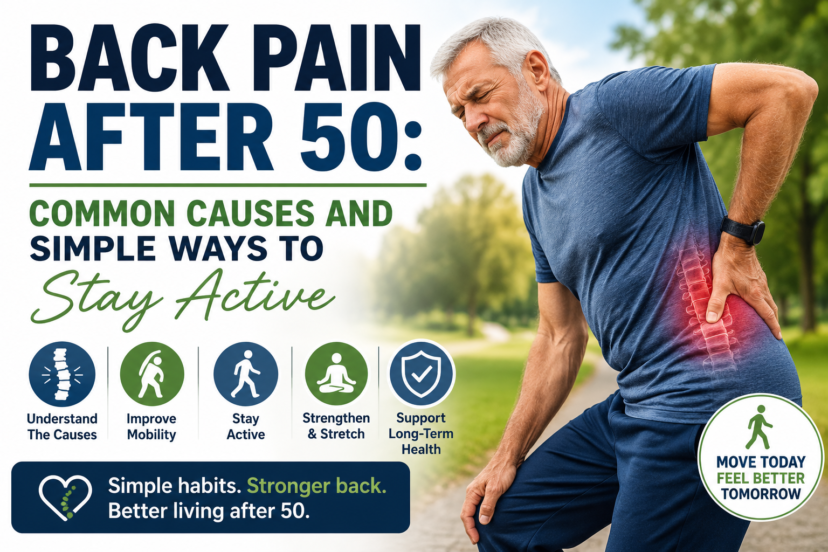
Back Pain After 50: Common Causes And Simple Ways To Stay Active
Why do you suffer from back pain after 50? If you’ve noticed that your back doesn’t feel the same as it did years ago, you’re certainly not alone. Many adults over 50 experience stiffness, soreness, or discomfort that can make daily activities more difficult. Tasks like gardening, walking, carrying groceries, or even getting out of bed may suddenly require more effort.
The good news is that experiencing back pain after 50 doesn’t automatically mean giving up the activities you enjoy. In many cases, understanding the underlying causes and making small lifestyle changes can help improve mobility, support healthy aging, and allow you to remain active and independent.
Whether your discomfort is occasional or ongoing, learning practical strategies can help you move with greater confidence and enjoy a better quality of life.
Key Takeaways
Most likely cause: Age-related changes in the spine, reduced muscle strength, arthritis, poor posture, and decreased flexibility are the most common reasons for back pain after 50.
Usually serious? No. Most cases are related to normal aging and lifestyle factors, although persistent, severe, or worsening pain should be evaluated by a healthcare professional.
First thing to check: Consider whether recent changes in activity level, posture, lifting habits, weight, or muscle strength may be contributing to your discomfort.
Best solution: Stay physically active with low-impact exercise, strengthen your core and back muscles, improve posture, maintain a healthy weight, and follow consistent stretching and mobility routines to support long-term spine health.
💡 Quick Answer: Back Pain After 50
Back pain after 50 is commonly caused by age-related changes, muscle weakness, poor posture, arthritis, reduced flexibility, excess weight, or previous injuries. Regular movement, strength training, stretching, and healthy lifestyle habits may help reduce discomfort and support long-term mobility.
🔹 Why Back Pain After 50 Becomes More Common
As we age, our bodies naturally change.
These changes may include:
- Loss of muscle mass
- Reduced flexibility
- Joint wear and tear
- Disc degeneration
- Slower recovery
- Changes in posture
While these changes are normal, they can increase the likelihood of developing back discomfort.
The good news is that aging itself is not the direct cause of pain. Many adults remain active and mobile well into their 70s and beyond by adopting healthy daily habits.
🔹 Common Causes Of Back Pain After 50
Several factors can contribute to back discomfort.
Muscle Weakness
Weak core and back muscles provide less support for the spine.
Important muscles include:
- Abdominals
- Glutes
- Hip muscles
- Lower back muscles
Strengthening these areas may help improve stability and reduce strain.
Arthritis
Osteoarthritis is one of the most common causes of chronic back pain after 50.
Symptoms may include:
- Morning stiffness
- Aching after activity
- Reduced flexibility
- Mild swelling
Poor Posture
Years of sitting, computer use, and looking down at phones can place stress on the spine.
Common posture habits include:
- Rounded shoulders
- Slouching
- Forward head position
- Sitting for long periods
Degenerative Disc Changes
Spinal discs naturally lose moisture with age, which may affect flexibility and shock absorption.
Previous Injuries
Old sports injuries, falls, or car accidents can sometimes contribute to discomfort later in life.
🔹 Excess Weight And Back Pain After 50
Extra body weight places additional stress on the spine and surrounding muscles.
Research shows that maintaining a healthy weight may help:
- Improve mobility
- Reduce pressure on joints
- Increase endurance
- Support overall wellness
Even modest weight loss can provide meaningful benefits.
🔹 Why Staying Active Matters
Many people believe resting is the best solution for back pain.
However, prolonged inactivity may actually contribute to:
- Muscle weakness
- Increased stiffness
- Reduced flexibility
- Poor circulation
Movement is often one of the smartest long-term solutions.
Benefits of staying active include:
- Better balance
- Improved muscle strength
- Greater flexibility
- Increased independence
- Enhanced mood
🔹 Walking Is One Of The Best Exercises For Back Pain After 50
Walking is simple, affordable, and accessible.
Walking may help:
- Improve circulation
- Reduce stiffness
- Strengthen supporting muscles
- Promote weight management
Start with:
- 10 minutes daily
- Comfortable shoes
- Flat surfaces
Gradually increase duration as tolerated.
🔹 Strength Training Supports A Healthy Spine
Many adults avoid resistance exercise because they fear worsening pain.
However, properly performed strength training may support:
- Core stability
- Posture
- Balance
- Bone health
- Muscle preservation
Examples include:
- Resistance bands
- Bodyweight exercises
- Light dumbbells
- Chair exercises
A physical therapist can provide personalized recommendations.
🔹 Stretching May Improve Mobility
Flexibility naturally decreases with age.
Gentle stretching may help:
- Reduce stiffness
- Improve range of motion
- Promote better movement patterns
Helpful stretches include:
- Hamstring stretches
- Hip flexor stretches
- Cat-cow stretch
- Knee-to-chest stretch
- Pelvic tilts
Avoid bouncing and stretch slowly.
🔹 Posture Tips For Everyday Activities
Poor posture can place unnecessary stress on the spine.
Sitting Tips
- Keep feet flat on the floor
- Use lumbar support
- Avoid slouching
- Take movement breaks every hour
Lifting Tips
- Bend at the knees
- Keep objects close to the body
- Avoid twisting while lifting
Sleeping Tips
Many people find relief by:
- Sleeping on their side
- Using a pillow between the knees
- Choosing a supportive mattress
🔹 Natural Home Remedies For Back Pain After 50
Simple strategies may help support comfort.
Heat Therapy
Warm showers and heating pads may help relax tight muscles.
Cold Therapy
Ice packs may help calm irritated tissues after activity.
Massage
Massage therapy may promote relaxation and improve circulation.
Yoga And Tai Chi
These low-impact activities may help improve:
- Balance
- Flexibility
- Coordination
- Stress management
🥗 Nutrition For Healthy Aging And Back Health
Healthy eating supports the entire body.
Foods many Americans include for overall wellness:
- Salmon
- Berries
- Leafy greens
- Nuts
- Olive oil
- Beans
Key nutrients include:
- Protein
- Vitamin D
- Calcium
- Magnesium
- Omega-3 fatty acids
Some adults discuss supplements such as fish oil or vitamin D with their healthcare providers.
💪 Physical Therapy For Back Pain After 50
Physical therapy can help identify movement patterns that may contribute to discomfort.
A therapist may provide:
- Strengthening exercises
- Stretching routines
- Posture education
- Balance training
- Activity modifications
Many adults regain confidence and function through guided rehabilitation.
🧠 Stress And Back Pain Connection
Stress often affects the body physically.
It may contribute to:
- Muscle tension
- Poor sleep
- Reduced activity
- Increased pain sensitivity
Stress-management strategies include:
- Deep breathing
- Meditation
- Walking outdoors
- Spending time with family
- Hobbies you enjoy
⚕️ When To See A Doctor
Seek medical attention if back pain:
- Becomes severe
- Follows an injury
- Causes numbness or weakness
- Spreads down the legs
- Interferes with daily activities
- Continues worsening
- Is accompanied by fever
- Causes loss of bladder or bowel control
Early evaluation may help identify underlying conditions and prevent complications.
❓ FAQs: Back Pain After 50
Is back pain after 50 normal?
Mild aches become more common with age, but severe or persistent pain should not be considered normal and deserves evaluation.
What causes lower back pain after 50?
Common causes include arthritis, muscle weakness, poor posture, disc changes, excess weight, and previous injuries.
Can walking help with back pain?
Walking may help improve circulation, flexibility, and muscle strength that support spinal health.
Which sleeping position is best for back pain?
Many people find side sleeping with a pillow between the knees provides additional support.
Does weight affect back pain?
Extra weight can increase pressure on the spine and surrounding structures.
Can stretching reduce back stiffness?
Gentle stretching may help improve flexibility and reduce tightness.
Should I exercise with back pain?
In many cases, light activity is beneficial, but severe pain should be evaluated by a healthcare professional.
📌 Final Thoughts On Back Pain After 50
Experiencing back pain after 50 does not mean your active years are behind you. In fact, many adults successfully manage discomfort and continue enjoying walking, traveling, gardening, and spending time with family.
The key is consistency.
Small daily habits—such as regular movement, better posture, strength training, healthy nutrition, and quality sleep—can add up over time. Progress may happen gradually, but every healthy choice helps support your body for the future.
Stay patient, stay active, and focus on building habits that allow you to move better and enjoy life with greater comfort and confidence.
Medical Disclaimer
This article is for educational purposes only and should not be considered medical advice. Always consult a qualified healthcare professional regarding symptoms, diagnosis, treatment, or medical concerns. Never ignore professional medical advice or delay seeking care because of information found on this website.
 Explore more: