Joint Pain Causes: What Your Body May Be Trying To Tell You
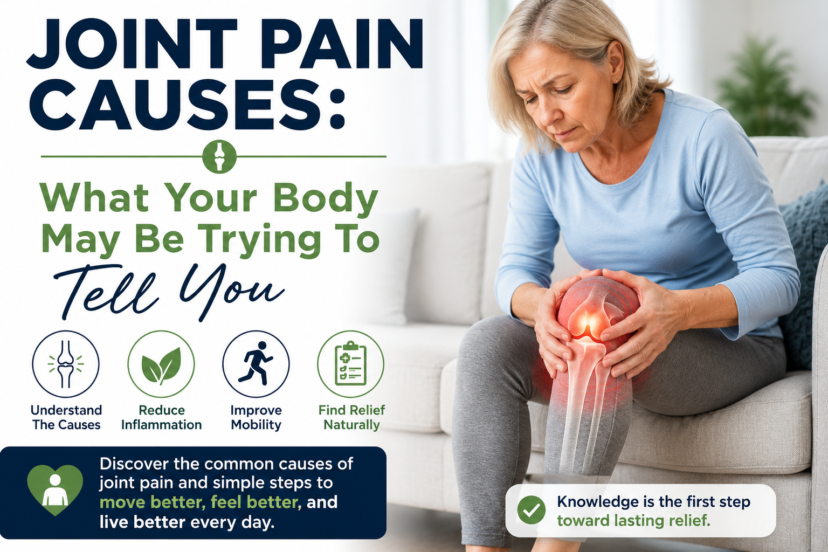
What are the most common joint pain causes related to aging? If you’ve noticed your knees aching when climbing stairs, your fingers feeling stiff in the morning, or your hips becoming sore after a long walk, you’re not alone. Millions of Americans experience joint discomfort that can affect everyday activities, exercise, sleep, and overall quality of life.
While occasional soreness can be normal, persistent discomfort often serves as your body’s way of communicating that something needs attention. Understanding common joint pain causes may help you make healthier choices, improve mobility, and stay active as you age.
The encouraging news is that many lifestyle factors that contribute to joint discomfort can often be managed with simple, consistent habits. Small changes in movement, posture, nutrition, and recovery may help support healthier joints and a more active lifestyle.
⭐ Quick Answer: Joint Pain Causes
Joint pain causes can include aging, osteoarthritis, overuse injuries, inflammation, poor posture, excess body weight, muscle weakness, repetitive movements, and certain medical conditions. Identifying the underlying cause is important for choosing the most effective treatment and long-term management strategies.
Key Takeaways
Most likely cause: Joint pain causes commonly include age-related wear and tear, osteoarthritis, overuse, muscle weakness, inflammation, poor posture, or excess stress placed on the joints.
Usually serious? Not usually. Many cases of joint discomfort improve with healthy lifestyle habits, but persistent, severe, or rapidly worsening pain should be evaluated by a healthcare professional.
First thing to check: Notice which joints are affected, when the pain occurs, whether stiffness or swelling is present, and if recent activity, injury, or repetitive movements may be contributing.
Best solution: Address the underlying joint pain causes by staying physically active, strengthening the muscles that support your joints, maintaining a healthy weight, improving posture, and seeking medical advice if symptoms persist or worsen.
🔹 Why Understanding Joint Pain Causes Matters
Joint discomfort is not always caused by one specific problem. In many cases, several factors work together over time.
Common areas affected include:
- Knees
- Hips
- Shoulders
- Hands
- Fingers
- Ankles
- Wrists
- Lower back
Understanding joint pain causes may help you:
- Improve mobility
- Stay independent longer
- Prevent further irritation
- Maintain an active lifestyle
- Support healthy aging
🔹 Joint Pain Causes Related To Aging
As we age, natural changes occur throughout the body.
These changes may include:
- Gradual cartilage wear
- Reduced flexibility
- Muscle loss
- Decreased joint lubrication
- Slower recovery
Aging itself is not necessarily the direct cause of pain, but age-related changes can make joints more sensitive to stress and overuse.
Many adults over 50 notice:
- Morning stiffness
- Reduced range of motion
- Increased soreness after activity
- Longer recovery times
Regular movement and strength training can help support healthy aging.
🔹 Osteoarthritis Is One Of The Most Common Joint Pain Causes
Osteoarthritis affects millions of Americans and is one of the leading causes of chronic joint discomfort.
It occurs when protective cartilage gradually wears down over time.
Common symptoms include:
- Aching joints
- Stiffness after resting
- Pain during movement
- Mild swelling
- Reduced flexibility
The knees, hips, hands, and spine are frequently affected.
While osteoarthritis cannot be reversed, healthy lifestyle habits may help support comfort and function.
🔹 Inflammation And Joint Pain Causes
Inflammation plays a major role in many forms of joint discomfort.
Inflammation may occur due to:
- Injury
- Autoimmune conditions
- Chronic stress
- Poor diet
- Excess body weight
Signs of inflammation may include:
- Warm joints
- Swelling
- Tenderness
- Redness
- Stiffness
Eating anti-inflammatory foods and maintaining regular physical activity may help support overall wellness.
🔹 Excess Body Weight Can Increase Joint Stress
Body weight significantly affects weight-bearing joints.
Research shows that extra pounds place additional pressure on:
- Knees
- Hips
- Ankles
- Lower back
Even modest weight reduction may help decrease stress on joints and improve mobility.
Healthy weight management can support:
- Better movement
- Improved balance
- Less strain during walking
- Greater physical endurance
🔹 Poor Posture And Muscle Imbalances
Many people are surprised to learn that poor posture ranks among common joint pain causes.
Hours spent:
- Sitting at desks
- Looking down at phones
- Driving
- Watching television
can create muscle imbalances that place stress on joints.
Poor posture may contribute to:
- Neck discomfort
- Shoulder pain
- Hip tightness
- Knee problems
- Lower back soreness
Simple posture improvements often make a noticeable difference over time.
🔹 Overuse Injuries And Repetitive Movements
Repeating the same motion daily can gradually irritate joints.
Examples include:
- Gardening
- Typing
- Lifting heavy objects
- Sports activities
- Construction work
- Household chores
Overuse injuries often develop slowly rather than suddenly.
Warning signs may include:
- Pain after activity
- Tenderness
- Reduced flexibility
- Temporary swelling
Rest, proper technique, and balanced exercise programs may help reduce the risk.
🔹 Muscle Weakness Can Contribute To Joint Pain Causes
Strong muscles help protect joints.
Weak muscles may force joints to absorb more stress than they were designed to handle.
Important muscle groups include:
- Core muscles
- Glutes
- Quadriceps
- Hamstrings
- Upper back muscles
Physical therapists often recommend strengthening exercises to improve stability and movement patterns.
🔹 Previous Injuries May Affect Joints Years Later
Old injuries sometimes contribute to long-term joint discomfort.
Examples include:
- Sports injuries
- Car accidents
- Falls
- Fractures
- Ligament tears
Even after healing, joint mechanics may change, increasing stress over time.
If pain suddenly returns years after an injury, a healthcare professional can help determine the cause.
🩺 Medical Conditions Associated With Joint Pain Causes
Several health conditions may contribute to joint discomfort.
These include:
- Rheumatoid arthritis
- Gout
- Lupus
- Lyme disease
- Fibromyalgia
- Psoriatic arthritis
- Thyroid disorders
Because symptoms often overlap, professional evaluation may be necessary for accurate diagnosis.
🧘♀️ Natural Ways To Support Joint Health
Many people find relief through simple lifestyle habits.
Healthy Daily Habits
- Stay physically active
- Walk regularly
- Stretch daily
- Prioritize sleep
- Drink enough water
- Maintain a healthy body weight
Anti-Inflammatory Foods
Many Americans include:
- Salmon
- Berries
- Leafy greens
- Olive oil
- Nuts
- Beans
in their wellness routines.
Supplements Commonly Used In The U.S.
Some people discuss these with their healthcare providers:
- Omega-3 fish oil
- Vitamin D
- Magnesium
- Turmeric
- Glucosamine and chondroitin
Always consult your doctor before starting supplements.
💪 Physical Therapy For Joint Pain
Physical therapy may help improve:
- Strength
- Flexibility
- Balance
- Posture
- Movement patterns
Physical therapists can create personalized programs based on individual needs.
Many adults experience improved confidence and mobility after participating in physical therapy.
🌟 Home Remedies That May Help
Simple home remedies include:
Heat Therapy
Warm showers, heating pads, and warm compresses may help relax tight muscles.
Cold Therapy
Ice packs may help calm irritated tissues after physical activity.
Gentle Stretching
Regular stretching may support flexibility and mobility.
Low-Impact Exercise
Activities such as:
- Walking
- Swimming
- Cycling
- Water aerobics
- Yoga
can be easier on the joints than high-impact activities.
⚕️ When To See A Doctor
Seek medical attention if you experience:
- Severe pain
- Sudden swelling
- Redness or warmth around joints
- Fever with joint pain
- Inability to bear weight
- Joint deformity
- Persistent symptoms lasting several weeks
- Loss of mobility
Early treatment may help prevent further complications.
❓ FAQs: Joint Pain Causes
What are the most common joint pain causes?
Osteoarthritis, aging, inflammation, excess weight, poor posture, injuries, and repetitive movements are among the most common causes.
Why do my joints hurt more in the morning?
Morning stiffness often occurs because joints remain inactive during sleep. Conditions such as osteoarthritis may also contribute.
Can dehydration affect joint pain?
Dehydration may contribute to muscle tightness and reduced physical performance, which can affect overall comfort.
Does walking help joint pain?
Regular walking may help improve circulation, flexibility, and muscle strength that support healthy joints.
Which foods may help support joint health?
Many people choose anti-inflammatory foods such as fatty fish, berries, nuts, vegetables, and olive oil.
Is joint pain a normal part of aging?
Some changes occur with age, but severe pain should not be ignored. Many joint problems can be managed successfully.
When should I worry about joint pain?
Persistent pain, swelling, redness, or sudden loss of mobility should be evaluated by a healthcare professional.
📌 Final Thoughts
Understanding joint pain causes can help you take proactive steps toward better mobility and long-term wellness. Your body often sends signals before problems become severe, and paying attention to those signals can make a meaningful difference.
Small daily habits—such as regular movement, better posture, healthy eating, quality sleep, and strength training—may help support joint health and improve your quality of life.
Progress takes time. Stay patient, remain consistent, and focus on building healthy habits that support comfortable movement for years to come.
Medical Disclaimer
This article is for educational purposes only and is not intended to diagnose, treat, cure, or prevent any disease. Always consult a qualified healthcare professional regarding medical concerns, symptoms, or treatment decisions. Never ignore professional medical advice or delay seeking care because of information found on this website.
 Explore more: