Knee Pain Going Down Stairs: Why Your Knees Hurt And What You Can Do About It
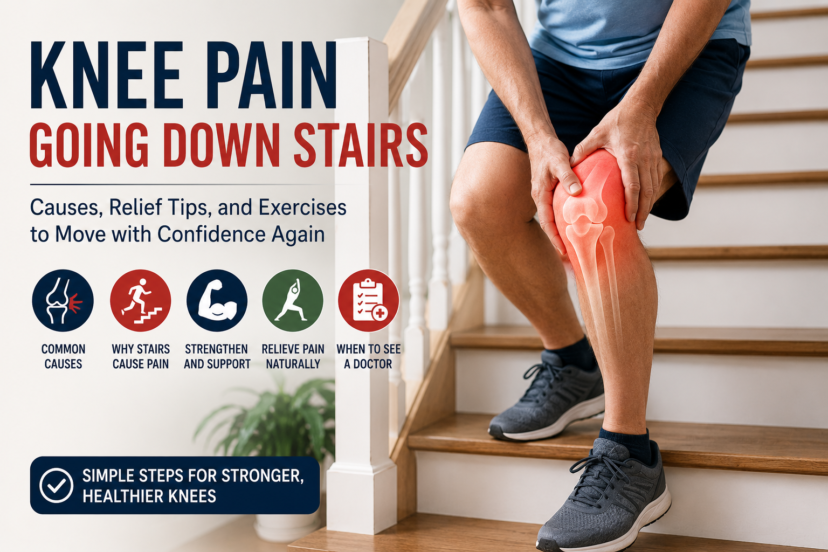
Walking down a flight of stairs shouldn’t feel like a challenge, yet for millions of adults, it’s one of the first signs that something isn’t quite right with their knees. You may notice a sharp ache around your kneecap, stiffness after sitting, or discomfort that makes you hesitate before taking the next step. Whether you’re climbing stairs at home, walking into work, or exercising, knee pain going down stairs can affect your confidence and limit your daily activities.
The good news is that knee pain doesn’t always mean serious joint damage. In many cases, it results from muscle weakness, poor movement patterns, overuse, or mild wear and tear that can often be improved with the right approach.
This guide explains the most common causes of knee pain going down stairs, how to identify the source of your discomfort, and practical, evidence-based strategies to help you move with greater comfort, improve mobility, and support healthy aging.
⭐ Quick Answer: Knee Pain Going Down Stairs
Knee pain going down stairs commonly occurs because descending stairs places greater pressure on the kneecap and knee joint than walking on flat ground. Common causes include patellofemoral pain syndrome, arthritis, tendon irritation, muscle weakness, cartilage wear, and poor movement mechanics. Strengthening the hips and legs, improving flexibility, maintaining a healthy weight, and using proper stair technique can often reduce pain over time.
Key Takeaways
Most likely cause: Knee pain going down stairs is commonly caused by increased pressure on the kneecap from muscle weakness, patellofemoral pain syndrome, arthritis, tendon irritation, or poor movement mechanics.
Usually serious? No. Most cases are related to overuse or age-related changes and often improve with targeted exercises and lifestyle adjustments, but severe pain, swelling, instability, or an inability to bear weight should be evaluated by a healthcare professional.
First thing to check: Notice where the pain is located, whether it occurs only when descending stairs, and whether you also experience swelling, clicking, stiffness, or knee weakness.
Best solution: Strengthen the muscles around the hips and knees, improve flexibility, maintain a healthy weight, use proper stair technique, and avoid activities that worsen symptoms until your knee becomes stronger and more comfortable.
🦵 Why Knee Pain Going Down Stairs Is So Common
Many people notice that going down stairs hurts more than going up.
That’s because descending stairs requires your quadriceps muscles to slowly control your body weight while your knees bend deeply. During this movement, the force traveling through your kneecap can be several times your body weight.
If any part of the knee isn’t working efficiently, pain may develop.
Common contributing factors include:
- Weak thigh muscles
- Tight hip muscles
- Poor kneecap tracking
- Joint inflammation
- Cartilage wear
- Previous injuries
- Reduced balance
Even small muscle imbalances can increase stress across the knee during every step.
🔍 Common Causes Of Knee Pain Going Down Stairs
Several conditions can lead to knee pain going down stairs.
Patellofemoral Pain Syndrome
Often called “runner’s knee,” this is one of the most common causes.
Pain typically occurs:
- Around or behind the kneecap
- During stair climbing
- While squatting
- After prolonged sitting
It often develops when the kneecap doesn’t glide smoothly through its normal groove.
Knee Osteoarthritis
As cartilage gradually wears down with age, bones experience more friction.
Symptoms include:
- Morning stiffness
- Swelling
- Grinding sensations
- Pain after activity
- Reduced flexibility
Stair descent often becomes especially uncomfortable because of increased joint loading.
Patellar Tendinitis
Sometimes called “jumper’s knee,” this condition involves irritation of the tendon connecting the kneecap to the shinbone.
Pain usually appears:
- Just below the kneecap
- During exercise
- After repetitive activity
- While using stairs
Meniscus Injury
The meniscus acts like a cushion inside your knee.
A tear may cause:
- Sharp pain
- Locking
- Clicking
- Swelling
- Difficulty twisting
Descending stairs often places additional stress on the injured tissue.
Weak Hip And Leg Muscles
Your hips help control knee alignment.
Weakness in the:
- Glutes
- Quadriceps
- Hamstrings
- Core muscles
May allow the knee to move inward excessively, increasing stress on the joint.
⚠️ Risk Factors For Knee Pain
Several factors increase the chance of developing knee pain going down stairs.
These include:
- Aging
- Previous knee injuries
- Obesity
- Sedentary lifestyle
- Poor footwear
- Flat feet
- Weak muscles
- Sports involving jumping
- Repetitive kneeling
Having one or more risk factors doesn’t guarantee pain, but it does increase your likelihood of developing knee problems.
🚶 Signs Your Knee Pain May Be Mechanical
Mechanical knee pain often changes depending on activity.
Common symptoms include:
- Pain only when using stairs
- Discomfort during squats
- Pain after sitting for long periods
- Mild swelling
- Grinding sensations
- Aching after exercise
These symptoms often improve with targeted strengthening and movement correction.
💪 Exercises That Help Knee Pain Going Down Stairs
One of the most effective treatments is strengthening the muscles that support the knee.
Quadriceps Strengthening
Examples include:
- Straight leg raises
- Wall sits
- Mini squats
- Leg presses (light resistance)
Strong quadriceps help reduce pressure on the kneecap.
Hip Strengthening
Focus on:
- Clamshells
- Side leg raises
- Glute bridges
- Resistance band walks
Improving hip strength helps maintain proper knee alignment.
Hamstring Strengthening
Healthy hamstrings balance the work of the quadriceps.
Try:
- Hamstring curls
- Bridges
- Stability ball curls
Calf Strengthening
Strong calves improve walking mechanics.
Exercises include:
- Heel raises
- Single-leg calf raises
- Slow step-down exercises
🤸 Improve Flexibility To Reduce Knee Stress
Tight muscles may increase knee strain.
Stretch regularly:
- Quadriceps
- Hamstrings
- Hip flexors
- Calves
- Glutes
Hold each stretch for 20–30 seconds without bouncing.
Gentle stretching after walking or exercise often works best.
🪑 Physical Therapy Can Make A Big Difference
A physical therapist can identify movement problems that contribute to knee pain going down stairs.
Treatment may include:
- Strength exercises
- Balance training
- Manual therapy
- Walking assessment
- Stair technique coaching
- Mobility exercises
- Home exercise programs
Many people notice steady improvement after several weeks of consistent therapy.
👟 Wear Supportive Shoes
Footwear affects the entire leg.
Supportive walking shoes help absorb impact while improving alignment.
Look for shoes that provide:
- Good arch support
- Cushioning
- Stable heel
- Proper fit
- Non-slip soles
Replace worn-out shoes regularly, especially if you walk frequently.
🧊 Home Remedies For Knee Pain
Simple home care often helps manage mild symptoms.
Consider:
Ice
Apply for 15–20 minutes after activity to reduce swelling.
Heat
Warm showers or heating pads may help relieve stiffness before activity.
Compression
Elastic knee sleeves may improve comfort during daily movement.
Elevation
Raise your leg after prolonged standing if swelling develops.
Rest
Avoid activities that sharply increase pain while remaining as active as possible.
⚖️ Maintain A Healthy Weight
Every extra pound of body weight places additional force on the knees.
Research suggests that losing even a modest amount of weight may reduce knee pain and improve mobility for many adults living with osteoarthritis.
Healthy habits include:
- Eating more vegetables
- Choosing lean protein
- Drinking water regularly
- Limiting sugary beverages
- Controlling portion sizes
Weight management supports long-term joint health.
🥗 Nutrition That Supports Healthy Knees
A nutritious diet helps support muscles, bones, and joints.
Consider eating more:
- Fatty fish
- Leafy greens
- Berries
- Nuts
- Olive oil
- Beans
- Whole grains
- Greek yogurt
Some people discuss supplements with their healthcare provider, including:
- Glucosamine
- Chondroitin
- Turmeric (curcumin)
- Omega-3 fatty acids
- Vitamin D
- Collagen peptides
Supplements may not work for everyone, so speak with your healthcare provider before starting them.
🚶 Improve Your Stair Technique
Small adjustments may reduce stress on your knees.
Try these tips:
- Hold the handrail when needed.
- Take one step at a time during painful flare-ups.
- Step slowly instead of rushing.
- Keep your knees aligned over your toes.
- Avoid leaning too far forward.
- Wear supportive footwear.
These simple changes often improve confidence while reducing discomfort.
🌟 Long-Term Habits For Better Knee Health
Managing knee pain going down stairs requires consistency.
Helpful long-term habits include:
- Walking regularly
- Strength training two to three times weekly
- Stretching daily
- Maintaining a healthy weight
- Staying physically active
- Avoiding prolonged sitting
- Using proper lifting technique
- Listening to your body’s warning signs
Small improvements performed consistently usually produce better long-term results than occasional intense workouts.
⚕️ When To See A Doctor
While many cases improve with conservative care, seek medical evaluation if you experience:
- Severe swelling
- Inability to bear weight
- Knee deformity
- Fever with joint pain
- Redness and warmth
- Locking that prevents movement
- Persistent pain lasting several weeks
- Sudden instability or giving way
- Pain following a significant injury
Early evaluation may help prevent further joint damage and identify conditions requiring specialized treatment.
❓ FAQs: Knee Pain Going Down Stairs
1. Why does my knee hurt only when going down stairs?
Descending stairs places greater pressure on the kneecap than level walking, making underlying problems more noticeable.
2. Is knee pain going down stairs a sign of arthritis?
Sometimes. Osteoarthritis is one possible cause, but muscle weakness, tendon irritation, or patellofemoral pain syndrome are also common.
3. Should I avoid stairs if my knee hurts?
Not necessarily. Mild discomfort often improves with strengthening and proper technique. Severe pain should be evaluated by a healthcare provider.
4. What exercises help knee pain going down stairs?
Quadriceps strengthening, hip strengthening, glute exercises, and flexibility work are commonly recommended.
5. Can losing weight reduce knee pain?
Yes. Even modest weight loss may significantly reduce stress placed on the knee joints during walking and stair use.
6. Are knee braces helpful?
Some people find that compression sleeves or braces improve comfort and stability, depending on the underlying cause.
7. How long does knee pain take to improve?
Mild mechanical knee pain often improves within several weeks of consistent exercise, activity modification, and strengthening, though recovery varies by cause.
📌 Conclusion: Knee Pain Going Down Stairs
Experiencing knee pain going down stairs can be frustrating, but it doesn’t have to become a permanent part of your daily life. In many cases, the pain is linked to treatable issues such as muscle weakness, poor movement patterns, tendon irritation, or mild joint changes rather than severe damage.
The key is to focus on steady, practical improvements. Strengthen the muscles that support your knees, stay active without overdoing it, improve your flexibility, maintain a healthy weight, and pay attention to how you move throughout the day. These small, consistent habits can reduce stress on your knees, improve confidence with stairs, and support an active, independent lifestyle.
Remember, lasting progress takes patience. Every healthy choice you make today is an investment in stronger knees, better mobility, and greater comfort for years to come.
Medical Disclaimer
This article is for informational and educational purposes only and should not be considered medical advice. Always consult a qualified healthcare professional before beginning any new exercise program, treatment, or supplement, especially if you have persistent knee pain, arthritis, previous injuries, or other medical conditions. Seek immediate medical care if you experience severe pain, significant swelling, inability to bear weight, joint deformity, fever, or sudden loss of knee function.
 Explore more: