Morning Stiffness: Why Your Body Hurts More When You Wake Up
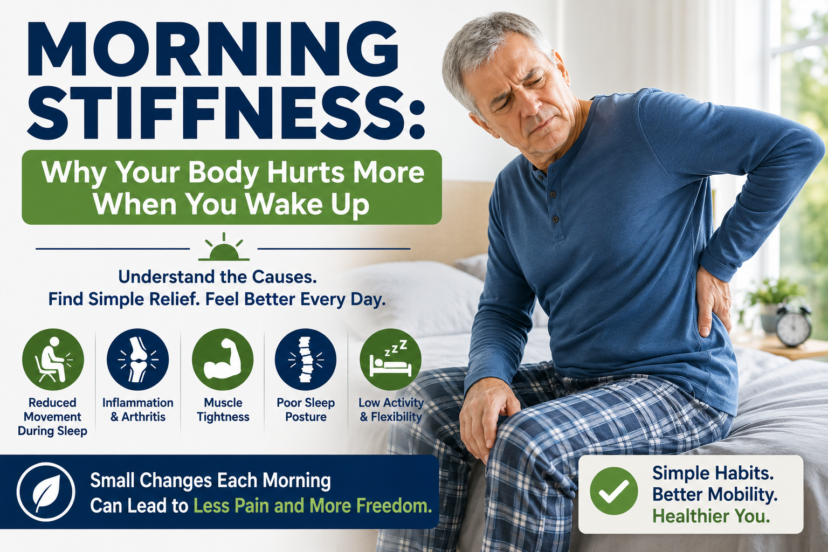
Are you experiencing morning stiffness? Waking up should leave you feeling refreshed and ready for the day. But for many adults, mornings begin with stiff joints, tight muscles, aching backs, or difficulty moving comfortably. Something as simple as getting out of bed, climbing stairs, or bending down to tie your shoes can suddenly feel much harder than it used to.
If this sounds familiar, you’re not alone. Millions of Americans experience morning stiffness, especially as they get older. While occasional stiffness is common, understanding why it happens can help you take practical steps to improve mobility and feel better throughout the day.
The encouraging news is that small daily habits may help reduce discomfort and support healthier movement over time.
💡 Quick Answer: Morning Stiffness
Morning stiffness often occurs because the body remains inactive during sleep. Reduced movement, aging, arthritis, inflammation, muscle tightness, poor sleep posture, and lack of physical activity may all contribute to waking up sore or stiff.
Key Takeaways
Most likely cause: Morning stiffness is most commonly caused by reduced movement during sleep, age-related joint changes, muscle tightness, mild inflammation, or arthritis.
Usually serious? No. Mild stiffness that improves after you begin moving is common, but stiffness that is severe, lasts for hours, or is accompanied by significant swelling or other concerning symptoms should be evaluated by a healthcare professional.
First thing to check: Notice how long the stiffness lasts, whether it improves with gentle movement, and consider your sleep position, mattress, activity level, and any recent changes in your routine.
Best solution: Begin the day with gentle stretching, stay physically active, strengthen supporting muscles, maintain good sleep posture, and follow healthy daily habits that promote long-term joint flexibility and mobility.
🌅 Why Morning Stiffness Happens
During sleep, your body remains in one position for several hours.
As a result:
- Blood circulation slows slightly
- Muscles relax and tighten
- Joints receive less movement
- Connective tissues become less flexible
When you first wake up, your body needs time to “warm up” and regain mobility.
For many people, symptoms improve after moving around for several minutes.
🌅 Aging And Morning Stiffness
One reason morning stiffness becomes more common with age is that several natural changes occur in the body.
These changes include:
- Loss of muscle mass
- Reduced flexibility
- Decreased joint lubrication
- Slower recovery
- Mild cartilage wear
These changes don’t necessarily mean pain is unavoidable. Many adults maintain excellent mobility through healthy habits and regular movement.
🌅 Arthritis And Morning Stiffness
Arthritis is one of the most common causes of stiffness after waking up.
Osteoarthritis
Symptoms may include:
- Aching joints
- Mild swelling
- Reduced flexibility
- Stiffness lasting less than 30 minutes
Rheumatoid Arthritis
Morning symptoms may last longer and often involve:
- Swelling
- Warm joints
- Fatigue
- Symmetrical pain
Persistent symptoms should always be evaluated by a healthcare professional.
🌅 Inflammation May Contribute To Morning Stiffness
Inflammation affects many tissues throughout the body.
Inflammation may contribute to:
- Joint discomfort
- Muscle soreness
- Reduced mobility
- Fatigue
Lifestyle factors that may influence inflammation include:
- Poor sleep
- Chronic stress
- Physical inactivity
- Highly processed diets
- Excess body weight
Healthy habits may support a balanced inflammatory response.
🌅 Sleeping Position Matters
Your sleeping position can influence how you feel in the morning.
Side Sleeping
Many people find this position comfortable.
Helpful tips:
- Place a pillow between your knees.
- Keep the spine aligned.
Back Sleeping
Placing a pillow under the knees may help reduce lower back strain.
Stomach Sleeping
This position may increase stress on the neck and spine.
Small adjustments can sometimes make a noticeable difference.
🌅 Poor Mattress And Pillow Support
An unsupportive sleep environment may contribute to stiffness.
Signs your mattress may need replacing:
- Sagging areas
- Worsening discomfort
- Age greater than 7–10 years
- Feeling better when sleeping elsewhere
Popular mattress brands in the U.S. include:
- Saatva
- Tempur-Pedic
- Purple
- Nectar
- Casper
Proper pillow support is equally important.
🌅 Muscle Tightness During Sleep
Tight muscles may contribute to morning discomfort.
Common areas include:
- Neck
- Shoulders
- Lower back
- Hips
- Hamstrings
- Calves
Stretching regularly may help improve flexibility.
🚶 Regular Movement Helps Reduce Morning Stiffness
Movement is often one of the most effective long-term solutions.
Benefits include:
- Better circulation
- Improved flexibility
- Increased muscle strength
- Reduced stiffness
Low-impact activities include:
- Walking
- Swimming
- Cycling
- Water aerobics
- Yoga
- Tai Chi
Consistency matters more than intensity.
🧘 Simple Morning Stretching Routine
Many people feel better after gentle stretching.
Examples include:
Knee-To-Chest Stretch
May help loosen the lower back.
Cat-Cow Stretch
May improve spinal mobility.
Hamstring Stretch
May reduce tightness in the legs.
Shoulder Rolls
May relieve upper body tension.
Stretch slowly and avoid bouncing.
💪 Strength Training Supports Better Mobility
Strong muscles help support joints and improve posture.
Helpful exercises include:
- Resistance band workouts
- Bodyweight exercises
- Chair squats
- Core exercises
- Light dumbbell routines
Physical therapists often recommend strength training for adults over 50.
💤 Sleep Quality And Morning Stiffness
Poor sleep may increase pain sensitivity and reduce recovery.
Helpful sleep habits include:
- Consistent bedtimes
- Limiting screen time before bed
- Keeping bedrooms cool and dark
- Avoiding caffeine late in the day
Better sleep often leads to better mornings.
🥗 Anti-Inflammatory Nutrition May Support Joint Health
Many Americans choose foods that support overall wellness.
Examples include:
- Salmon
- Blueberries
- Spinach
- Olive oil
- Nuts
- Beans
Important nutrients include:
- Protein
- Vitamin D
- Calcium
- Magnesium
- Omega-3 fatty acids
Some adults discuss supplements with their healthcare providers.
🌿 Home Remedies For Morning Stiffness
Simple strategies may help improve comfort.
Warm Showers
Heat may help loosen tight muscles.
Heating Pads
Can provide temporary comfort.
Gentle Walking
Helps increase circulation.
Foam Rolling
May reduce muscle tightness.
Massage
Can promote relaxation and flexibility.
🏥 Physical Therapy For Persistent Stiffness
Physical therapy may help improve:
- Balance
- Mobility
- Flexibility
- Posture
- Strength
A physical therapist can create a personalized exercise plan based on individual needs.
🚨 When To See A Doctor
Seek medical attention if:
- Morning stiffness lasts longer than one hour.
- Symptoms continue worsening.
- Joints become swollen or red.
- Pain interferes with daily activities.
- You experience fever or unexplained fatigue.
- Symptoms appear suddenly.
Early diagnosis may help identify underlying conditions.
❓ FAQs: Morning Stiffness
Why do I feel stiff when I wake up?
Lack of movement during sleep allows muscles and joints to tighten temporarily.
Is morning stiffness normal with aging?
Mild stiffness is common, but severe or prolonged symptoms should be evaluated.
How long should morning stiffness last?
For many people, symptoms improve within 10 to 30 minutes after moving around.
Does arthritis cause morning stiffness?
Yes. Osteoarthritis and rheumatoid arthritis are common causes.
Can dehydration cause stiffness?
Dehydration may affect muscle function and contribute to discomfort.
Does walking help with morning stiffness?
Walking may improve circulation and help loosen tight muscles and joints.
Can a bad mattress make stiffness worse?
Yes. An unsupportive mattress or pillow may contribute to discomfort.
📌 Final Thoughts On Morning Stiffness
Experiencing morning stiffness doesn’t necessarily mean something is seriously wrong. In many cases, your body simply needs movement, better recovery, and healthy daily habits to function at its best.
Small changes—such as improving sleep posture, staying active, stretching regularly, and supporting overall wellness—may help you wake up feeling more comfortable.
Remember, progress often happens gradually. Stay patient, stay consistent, and focus on building habits that help you move better and enjoy life with greater confidence.
Medical Disclaimer
This article is for informational purposes only and is not intended to diagnose, treat, cure, or prevent any disease. Always consult a qualified healthcare professional regarding symptoms, medical concerns, supplements, or treatment decisions. Never ignore professional medical advice or delay seeking care because of information found on this website.
 Explore more: