Mobility After 50: The Best Daily Routine To Move Better Every Day
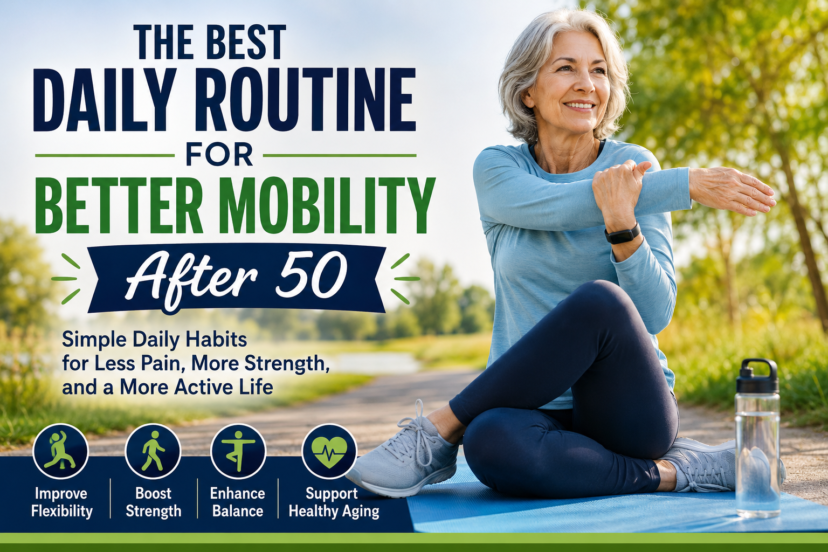
Improving mobility after 50 isn’t about running marathons or spending hours in the gym. It’s about making small, consistent choices that help your joints, muscles, and balance work better every day.
If you’ve noticed morning stiffness, aching knees, tight hips, or simply don’t move as easily as you once did, you’re not alone. As we age, natural changes in muscles, joints, connective tissue, and balance can make everyday activities more challenging. The good news is that these changes aren’t entirely unavoidable. Research consistently shows that regular movement, strength training, flexibility exercises, proper nutrition, and healthy daily habits can dramatically improve how your body feels and functions.
The best part? You don’t need expensive equipment or complicated workout plans. A smart daily routine can help reduce discomfort, improve flexibility, maintain independence, and make everyday tasks—from climbing stairs to playing with grandchildren—feel easier.
Whether your goal is walking farther without pain, gardening comfortably, traveling with confidence, or simply getting out of bed without stiffness, this guide will show you practical strategies to improve mobility after 50 and enjoy a healthier, more active lifestyle.
⭐ Quick Answer: Mobility After 50
The best daily routine for mobility after 50 combines gentle morning stretching, regular walking, strength training two to three times weekly, balance exercises, healthy nutrition, good posture, quality sleep, and frequent movement throughout the day. Consistency matters far more than intensity.
Key Takeaways
Most likely cause: Reduced mobility with age often results from a combination of declining muscle strength, joint stiffness, reduced flexibility, less physical activity, and changes in balance rather than aging alone.
Usually serious? Usually not, especially when changes develop gradually. However, sudden loss of mobility, unexplained weakness, severe pain, repeated falls, or rapidly worsening symptoms should be evaluated by a healthcare professional.
First thing to check: When working to improve mobility after 50, look at your current activity level. Notice how much you walk, how often you sit for long periods, and whether strength, flexibility, or balance is making everyday movements more difficult.
Best solution: Build a consistent routine that combines regular walking or other comfortable aerobic activity with appropriate strength, flexibility, and balance exercises. Start gradually, stay consistent, and consider professional guidance if pain, health conditions, or mobility limitations make exercise difficult.
🌅 Why Mobility After 50 Naturally Changes
Growing older doesn’t automatically mean losing mobility, but several natural changes can affect movement.
Muscle Loss
Adults gradually lose muscle mass beginning around age 30, with the process accelerating later in life if strength training isn’t part of their routine.
Less muscle means:
- Reduced stability
- Lower endurance
- More joint stress
- Higher fall risk
Joint Changes
Cartilage naturally wears over time, while joints may produce less lubricating fluid.
This can contribute to:
- Morning stiffness
- Reduced flexibility
- Mild discomfort during movement
- Limited range of motion
Tendons Become Less Flexible
Connective tissues lose some elasticity with age, making movements feel tighter than they once did.
Lifestyle Factors
Many adults spend long hours:
- Sitting at desks
- Watching television
- Driving
- Using computers
Extended sitting often contributes to stiff hips, weak glutes, poor posture, and decreased flexibility.
Fortunately, daily movement can help counter many of these effects.
🚶 Start Every Morning With Gentle Mobility After 50 Exercises
Your body has been relatively still for several hours while sleeping.
Instead of immediately rushing into your day, spend 5–10 minutes waking up your muscles and joints.
Try:
- Neck rotations
- Shoulder rolls
- Arm circles
- Cat-cow stretches
- Hip circles
- Gentle hamstring stretches
- Ankle circles
- Standing calf stretches
These movements help:
- Increase circulation
- Reduce stiffness
- Improve flexibility
- Prepare muscles for activity
Many people notice significantly less discomfort after making morning mobility exercises a daily habit.
💪 Build Strength To Support Mobility After 50
Strength training is one of the most effective ways to preserve mobility as you age.
You don’t need heavy weights.
Bodyweight exercises often work well, including:
- Chair squats
- Wall push-ups
- Step-ups
- Glute bridges
- Resistance band rows
- Standing leg raises
Aim for:
- Two to three sessions weekly
- Eight to twelve repetitions
- One to three sets
- Slow, controlled movements
Stronger muscles reduce stress on joints while improving posture, balance, and confidence during daily activities.
🚶 Walk Every Day
Walking remains one of the safest and most effective forms of exercise for adults over 50.
Benefits include:
- Better cardiovascular health
- Improved joint lubrication
- Stronger leg muscles
- Better balance
- Improved mood
- Lower inflammation
Start with:
- 10–15 minutes daily
Gradually increase toward:
- 30 minutes most days
If needed, divide walks into three 10-minute sessions.
Even short walks provide meaningful benefits.
🧘 Improve Flexibility Every Day
Flexibility supports comfortable movement during daily activities like:
- Reaching shelves
- Putting on shoes
- Getting into cars
- Climbing stairs
Focus on stretching:
Hips
Tight hips commonly contribute to low back discomfort.
Hamstrings
Flexible hamstrings reduce stress on the lower back and knees.
Calves
Stretching calves helps walking efficiency and balance.
Chest
Opening the chest helps improve posture.
Shoulders
Shoulder flexibility makes lifting and reaching easier.
Hold each stretch for:
- 20–30 seconds
- Without bouncing
- While breathing normally
⚖️ Don’t Forget Balance Training
Falls become more common with age, but balance can often be improved through practice.
Simple exercises include:
- Standing on one foot
- Heel-to-toe walking
- Side stepping
- Tai Chi
- Yoga
- Standing heel raises
Practice balance exercises for just 5–10 minutes daily.
Always use a sturdy chair or countertop for support if needed.
🪑 Improve Your Posture Throughout The Day
Poor posture places unnecessary strain on muscles and joints.
Common habits include:
- Rounded shoulders
- Forward head posture
- Slouching while sitting
Improve posture by:
- Keeping shoulders relaxed
- Looking straight ahead
- Engaging your core
- Sitting with feet flat
- Taking standing breaks every 30–60 minutes
Better posture often reduces neck, shoulder, and lower back discomfort.
🥗 Nutrition Supports Mobility After 50
Healthy eating plays an important role in joint and muscle health.
Prioritize:
Lean Protein
Supports muscle repair.
Examples include:
- Chicken
- Fish
- Eggs
- Greek yogurt
- Beans
Omega-3 Fats
May help support healthy inflammatory responses.
Sources include:
- Salmon
- Sardines
- Walnuts
- Flaxseed
Calcium
Supports healthy bones.
Good sources include:
- Dairy products
- Fortified plant milk
- Leafy greens
Vitamin D
Vitamin D helps your body absorb calcium.
Many U.S. adults have low vitamin D levels, so discuss testing or supplementation with your healthcare provider if appropriate.
Hydration
Even mild dehydration can contribute to fatigue, muscle cramps, and reduced flexibility.
Aim to drink water consistently throughout the day.
😴 Sleep Helps Your Body Recover
Quality sleep allows muscles, connective tissue, and the nervous system to recover.
Poor sleep is linked with:
- Increased pain sensitivity
- Fatigue
- Reduced balance
- Slower recovery
Healthy sleep habits include:
- Keeping a regular bedtime
- Limiting caffeine late in the day
- Reducing screen time before bed
- Creating a cool, quiet bedroom
Adults generally benefit from seven to nine hours of sleep each night.
🏡 Keep Moving Throughout The Day
Exercise alone cannot fully offset hours of sitting.
Instead:
- Stand every 30–60 minutes
- Walk during phone calls
- Stretch while watching television
- Use stairs when possible
- Park farther away
- Do light household chores
Frequent movement helps maintain joint lubrication and reduces stiffness.
🌿 Natural Ways To Support Better Mobility
Many adults find additional relief through complementary approaches.
Options may include:
- Warm showers in the morning
- Heating pads for stiff muscles
- Ice packs after strenuous activity
- Foam rolling
- Massage therapy
- Physical therapy
- Water aerobics
- Gentle yoga
- Tai Chi
Some people also discuss supplements such as glucosamine, chondroitin, turmeric (curcumin), or collagen with their healthcare provider. While research is mixed, certain individuals may find them helpful depending on their specific needs.
🏥 When Physical Therapy Can Help
If mobility problems persist, a physical therapist can create an individualized plan.
Physical therapy may help with:
- Arthritis
- Knee pain
- Hip stiffness
- Back pain
- Balance issues
- Recovery after injury
- Walking difficulties
Therapists can identify movement patterns contributing to discomfort and recommend targeted exercises.
🚩 When To See A Doctor
Although stiffness is common with aging, certain symptoms require medical evaluation.
Seek medical care if you experience:
- Severe joint pain
- Sudden swelling
- Joint redness or warmth
- Difficulty walking
- Frequent falls
- Loss of strength
- Numbness or tingling
- Persistent pain lasting several weeks
- Pain after a significant injury
- Unexplained weight loss or fever with joint pain
Early diagnosis often leads to better treatment outcomes.
❓ FAQs: Mobility After 50
Can mobility after 50 really improve?
Yes. Many adults significantly improve flexibility, strength, balance, and daily function through regular exercise, stretching, and healthy lifestyle habits.
How long does it take to improve mobility?
Many people notice small improvements within two to four weeks, while more substantial gains often develop after two to three months of consistent practice.
Is walking enough for mobility after 50?
Walking is excellent, but combining it with strength training, stretching, and balance exercises provides the greatest benefits.
What is the best exercise for stiff joints?
Low-impact activities such as gentle stretching, walking, swimming, cycling, Tai Chi, and resistance training are all excellent options for improving joint mobility.
Should I exercise if I have arthritis?
In most cases, yes. Appropriate exercise often reduces arthritis pain and improves function. Work with your healthcare provider or physical therapist to choose suitable activities.
Are supplements necessary for mobility?
Not necessarily. A healthy diet forms the foundation. Some supplements may help certain individuals, but speak with your healthcare provider before starting any new supplement.
Can poor posture reduce mobility?
Absolutely. Poor posture places extra stress on muscles and joints, limiting movement over time. Improving posture can reduce discomfort and improve overall mobility.
📌 Final Thoughts On Mobility After 50
Improving mobility after 50 doesn’t require perfection—it requires consistency. Small daily habits, such as stretching each morning, walking regularly, building strength, improving balance, eating well, and getting quality sleep, add up over time.
Rather than focusing on your age, focus on your daily actions. Every walk, stretch, and healthy meal is an investment in your future independence and quality of life. With patience and steady effort, you can reduce everyday discomfort, move with greater confidence, and continue enjoying the activities that matter most for years to come.
Medical Disclaimer
This article is intended for educational and informational purposes only and should not be considered medical advice. Always consult your physician or another qualified healthcare professional before beginning a new exercise program, taking supplements, or making significant lifestyle changes, especially if you have a chronic medical condition, recent injury, or persistent pain. If you experience severe pain, sudden weakness, numbness, or other concerning symptoms, seek prompt medical evaluation.
 Explore more: