How To Protect Your Joints: Simple Everyday Habits For Less Pain And Better Mobility
Many people don’t think much about their joints until they start hurting. Whether you’re climbing stairs, carrying groceries, gardening, working at a desk, or simply getting out of bed, your joints work hard every single day. Over time, repetitive movements, poor posture, excess body weight, injuries, and natural aging can place added stress on these important structures. Fortunately, learning how to protect your joints doesn’t require major lifestyle changes—it often starts with small, consistent habits that support healthy movement.
Healthy joints allow you to stay independent, active, and comfortable as you age. Even if you already experience occasional stiffness or discomfort, there are practical, science-backed strategies that may help reduce unnecessary strain while improving strength, flexibility, and overall mobility.
The goal isn’t to avoid movement. In fact, regular movement is one of the best ways to keep joints healthy. The key is learning how to move smarter, strengthen the muscles that support your joints, and avoid habits that increase wear and tear over time.
This guide explains how to protect your joints during everyday activities so you can move with greater comfort, reduce pain, and enjoy a healthier, more active life.
⭐ Quick Answer: How To Protect Your Joints
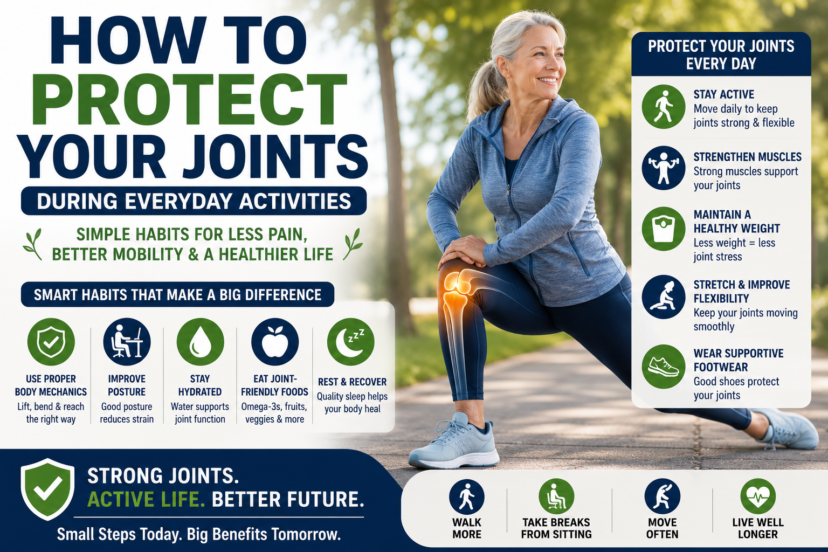
The best way to protect your joints is to stay physically active, maintain a healthy weight, strengthen supporting muscles, improve posture, stretch regularly, use proper lifting techniques, wear supportive footwear, and avoid sitting for long periods. These daily habits help reduce joint stress while improving mobility and long-term joint health.
Key Takeaways
Most likely cause: Everyday joint strain often comes from repetitive movements, prolonged sitting, poor posture, weak supporting muscles, previous injuries, or carrying excess body weight.
Usually serious? Occasional mild stiffness or soreness is often not serious, but persistent pain, swelling, instability, or reduced mobility may need evaluation by a healthcare professional.
First thing to check: Look at your daily movement habits, including how long you sit, your posture, lifting technique, activity level, footwear, and whether certain activities repeatedly trigger discomfort.
Best solution: If you’re wondering how to protect your joints, focus on regular low-impact movement, strengthening the muscles around your joints, maintaining a healthy weight, improving posture, using proper lifting techniques, and giving your body adequate recovery time.
🦴 Why Joint Health Matters
Your joints connect bones and allow your body to move smoothly.
Healthy joints depend on:
- Strong muscles
- Flexible ligaments
- Healthy cartilage
- Good circulation
- Regular movement
Without proper care, joints may become stiff, painful, or less mobile over time.
The encouraging news is that many joint problems can be managed—or even prevented—through healthy lifestyle habits.
🚶 Stay Active To Protect Your Joints
One of the best answers to how to protect your joints is surprisingly simple: keep moving.
Regular physical activity helps:
- Lubricate joints
- Improve circulation
- Strengthen muscles
- Reduce stiffness
- Maintain flexibility
- Support balance
Aim for at least 150 minutes of moderate physical activity each week, such as:
- Walking
- Cycling
- Swimming
- Water aerobics
- Dancing
Low-impact exercises are especially helpful for people with joint discomfort.
💪 Build Muscle To Support Your Joints
Muscles act like natural shock absorbers.
When muscles become weak, joints absorb more stress.
Helpful strengthening exercises include:
Chair Squats
Strengthen hips and knees.
Glute Bridges
Support the hips and lower back.
Resistance Band Rows
Improve posture and shoulder stability.
Wall Push-Ups
Strengthen the upper body with minimal joint stress.
Step-Ups
Improve leg strength and balance.
Aim for:
- Two to three strength-training sessions each week
- Slow, controlled movements
- Proper form over heavy weights
⚖️ Maintain A Healthy Weight
Every extra pound of body weight increases the load placed on weight-bearing joints.
This especially affects:
- Knees
- Hips
- Ankles
- Lower back
Losing even a modest amount of weight may reduce joint stress and improve mobility for many adults.
Focus on gradual, sustainable changes rather than restrictive diets.
🧘 Improve Flexibility With Daily Stretching
Flexible muscles help joints move through their full range of motion.
Stretch daily, focusing on:
- Neck
- Shoulders
- Chest
- Hip flexors
- Hamstrings
- Calves
Hold each stretch for:
- 20–30 seconds
- Without bouncing
- While breathing normally
Stretching after light activity often feels more comfortable than stretching cold muscles.
🪑 Improve Your Posture Throughout The Day
Poor posture places unnecessary strain on joints.
Common habits to avoid include:
- Slouching
- Looking down at your phone
- Rounded shoulders
- Sitting for long periods
Better posture tips:
- Sit with both feet flat
- Keep shoulders relaxed
- Support your lower back
- Position your monitor at eye level
- Stand and move every 30–60 minutes
Good posture helps distribute forces more evenly across your joints.
📦 Use Proper Body Mechanics
Daily activities often involve lifting, bending, reaching, and carrying.
Protect your joints by:
Lifting Correctly
- Bend at your hips and knees
- Keep objects close to your body
- Avoid twisting while lifting
Carrying Heavy Items
Divide heavy loads into smaller trips whenever possible.
Reaching Overhead
Use a sturdy step stool instead of overreaching.
Kneeling
Use knee pads or cushions when gardening or cleaning floors.
Small adjustments can significantly reduce joint strain.
👟 Wear Supportive Footwear
Your feet serve as the foundation for your entire body.
Poor footwear can affect:
- Knees
- Hips
- Back
- Ankles
Look for shoes that provide:
- Good arch support
- Cushioning
- Stable soles
- Proper fit
Replace worn-out athletic shoes regularly if you walk frequently.
🥗 Eat To Support Healthy Joints
Nutrition plays an important role in joint health.
Include:
Omega-3 Fatty Acids
Found in:
- Salmon
- Sardines
- Walnuts
- Flaxseed
These healthy fats support normal inflammatory responses.
Lean Protein
Supports muscle maintenance.
Examples include:
- Chicken
- Fish
- Eggs
- Greek yogurt
- Beans
Calcium
Supports healthy bones.
Sources include:
- Dairy products
- Leafy greens
- Fortified foods
Vitamin D
Many U.S. adults have low vitamin D levels.
Discuss testing or supplementation with your healthcare provider if appropriate.
Hydration
Water supports healthy cartilage and muscle function.
🌿 Natural Relief Methods
Many people find additional comfort through conservative treatments.
These include:
- Heat therapy
- Ice after activity
- Massage
- Foam rolling
- Tai Chi
- Yoga
- Walking
- Water exercise
Some adults also discuss supplements such as glucosamine, chondroitin, turmeric (curcumin), collagen, or omega-3 fish oil with their healthcare provider.
While research results vary, some individuals may find them helpful.
🩺 When Physical Therapy Can Help
If you’re experiencing persistent joint pain or reduced mobility, physical therapy may help.
A physical therapist can assess:
- Strength
- Flexibility
- Walking mechanics
- Balance
- Joint mobility
- Posture
Treatment plans often include exercises that improve movement while reducing stress on painful joints.
🚨 When To See A Doctor
While occasional stiffness is common, some symptoms require medical evaluation.
See your healthcare provider if you experience:
- Severe joint pain
- Joint swelling
- Redness or warmth
- Sudden inability to move a joint
- Pain after an injury
- Persistent symptoms lasting several weeks
- Numbness or weakness
- Fever with joint pain
- Difficulty walking
Early treatment often helps prevent further joint damage.
❓ FAQs: How To Protect Your Joints
What is the best way to protect your joints?
Stay active, strengthen muscles, stretch regularly, maintain a healthy weight, and practice good posture during everyday activities.
Does walking help protect joints?
Yes. Walking helps lubricate joints, strengthen muscles, improve circulation, and maintain mobility.
Can strength training damage joints?
When performed correctly, strength training generally supports joint health by strengthening the muscles that stabilize joints.
Is swimming good for painful joints?
Yes. Swimming and water aerobics provide excellent low-impact exercise that reduces stress on joints.
What foods support healthy joints?
Fatty fish, fruits, vegetables, whole grains, nuts, beans, lean protein, and healthy fats all contribute to overall joint health.
Can poor posture hurt my joints?
Yes. Poor posture places uneven stress on joints and surrounding muscles, potentially contributing to pain over time.
Should I exercise if my joints hurt?
Gentle movement is often beneficial, but severe or persistent pain should be evaluated by a healthcare professional before continuing an exercise program.
🎯 Final Thoughts On How To Protect Your Joints
Learning how to protect your joints doesn’t require expensive treatments or dramatic lifestyle changes. Small daily habits—walking regularly, strengthening your muscles, improving posture, stretching consistently, eating a balanced diet, and using proper body mechanics—can make a meaningful difference over time.
Your joints support nearly every movement you make. By caring for them today, you’re investing in greater comfort, better mobility, and more independence for years to come. Stay consistent, listen to your body, and remember that even small improvements can lead to lasting results.
Medical Disclaimer
This article is intended for educational and informational purposes only and should not replace professional medical advice, diagnosis, or treatment. Always consult your physician or another qualified healthcare provider before beginning a new exercise program, taking supplements, or making significant lifestyle changes, especially if you have chronic joint pain, arthritis, or another medical condition. Seek immediate medical attention if you experience severe joint pain, sudden swelling, loss of joint function, or other concerning symptoms.
 Explore more: