Lower Back Pain After Sitting: Why Your Lower Back Hurts More After Sitting All Day
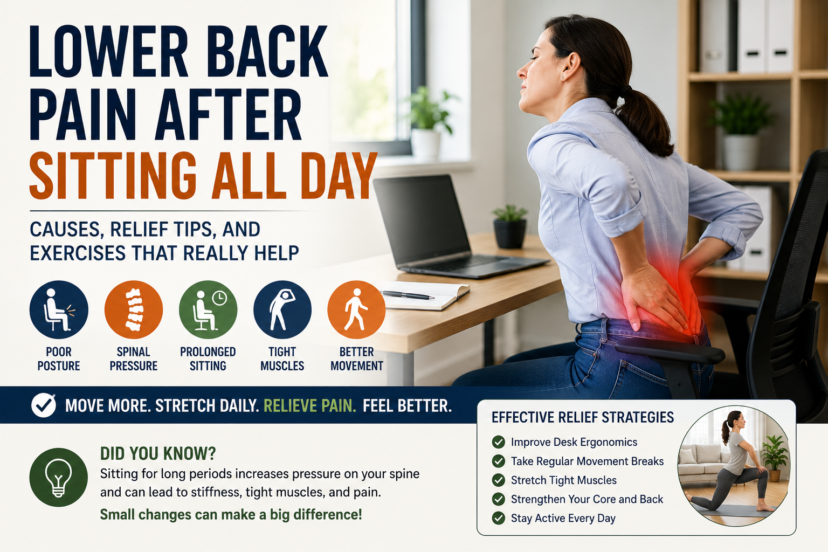
Have you ever stood up after a long day at your desk or a lengthy car ride and felt an aching, stiff lower back? You’re not alone. Millions of adults experience lower back pain after sitting, especially as they get older or spend more time working at a computer. What starts as mild stiffness can eventually affect walking, exercising, household chores, and overall quality of life.
The good news is that prolonged sitting doesn’t have to lead to constant discomfort. In many cases, simple changes to your posture, workspace, movement habits, and daily routine can significantly reduce strain on your lower back. Better yet, these improvements often support healthier aging, better mobility, and greater independence over time.
In this guide, you’ll learn why lower back pain after sitting happens, the most common causes, and practical, evidence-based strategies to help you move more comfortably every day.
💡 Quick Answer: Lower Back Pain After Sitting
Lower back pain after sitting often occurs because prolonged sitting places continuous pressure on the spine, tightens hip muscles, weakens the core and glutes, and reduces blood flow to the lower back. Improving posture, taking regular movement breaks, strengthening your core, stretching tight muscles, and creating an ergonomic workspace can often reduce pain and improve long-term mobility.
Key Takeaways
Most likely cause: Prolonged sitting places continuous pressure on the spine, tightens the hip flexors, weakens the core and glutes, and reduces circulation, leading to stiffness and lower back pain.
Usually serious? No. Most cases improve with better posture, regular movement, stretching, and strengthening exercises, though persistent or severe pain should be evaluated by a healthcare professional.
First thing to check: Review your sitting posture, workstation setup, and how often you take movement breaks. Also consider whether tight hips or weak core muscles may be contributing to your discomfort.
Best solution: Break up long periods of sitting, improve your ergonomics, strengthen your core and glutes, stretch tight muscles, and stay physically active to reduce pain and support long-term spinal health.
🪑 Why Lower Back Pain After Sitting Happens
Although sitting feels like a restful activity, your spine experiences significant stress when you remain seated for long periods.
Compared with standing, sitting increases pressure on the lumbar discs, especially if you slouch or lean forward. Over time, this constant pressure can lead to muscle fatigue, joint stiffness, and reduced flexibility.
Common reasons for lower back pain after sitting include:
- Tight hip flexors
- Weak abdominal muscles
- Weak glute muscles
- Poor posture
- Reduced circulation
- Muscle stiffness
- Disc compression
- Limited spinal movement
These factors often combine, making it uncomfortable to stand up after sitting for extended periods.
💺 Poor Posture Increases Lower Back Stress
One of the biggest contributors to lower back pain after sitting is poor posture.
Many people gradually slide forward in their chairs, round their shoulders, and allow their lower back to flatten.
This position increases stress on:
- Lumbar discs
- Ligaments
- Lower back muscles
- Hip joints
Healthy sitting posture includes:
- Feet flat on the floor
- Knees at about 90 degrees
- Shoulders relaxed
- Ears aligned over shoulders
- Lower back supported
Good posture doesn’t mean sitting all day perfectly—it means changing positions frequently.
🧍 Tight Hip Flexors Pull On Your Lower Back
When you sit for hours, your hip flexor muscles remain shortened.
Over time, they may become tight and pull the pelvis forward when you stand.
This increases strain on the lower back and may contribute to:
- Stiffness
- Muscle tightness
- Limited mobility
- Back discomfort while walking
Stretching the hip flexors regularly can help reduce this tension.
💪 Weak Core Muscles Reduce Spinal Support
Your core includes much more than your abdominal muscles.
It also includes:
- Deep abdominal muscles
- Lower back muscles
- Pelvic floor
- Diaphragm
- Obliques
A strong core helps stabilize your spine during sitting, standing, walking, and lifting.
Weakness allows your lower back muscles to work harder, increasing fatigue and discomfort.
🍑 Weak Glutes Can Make Sitting Worse
Your glute muscles become less active during prolonged sitting.
Inactive glutes often lead to:
- Poor posture
- Hip instability
- Lower back strain
- Reduced walking efficiency
Simple strengthening exercises such as glute bridges and bodyweight squats can improve support for your lower back.
🚶 Why Movement Is Better Than Sitting Still
One of the most effective ways to reduce lower back pain after sitting is surprisingly simple—move more often.
Movement helps:
- Improve circulation
- Lubricate joints
- Relax tight muscles
- Reduce spinal compression
- Activate supporting muscles
Aim to stand or walk for 2–5 minutes every 30–60 minutes.
Even brief movement breaks make a difference.
🤸 Best Stretches For Lower Back Pain After Sitting
Gentle stretching may reduce stiffness and improve flexibility.
Helpful stretches include:
Hip Flexor Stretch
Helps reduce tension at the front of the hips.
Hamstring Stretch
Tight hamstrings often increase lower back stress.
Cat-Cow Stretch
Improves spinal mobility.
Child’s Pose
Provides a gentle stretch for the lower back.
Knee-To-Chest Stretch
May reduce lower back tightness after prolonged sitting.
Stretch slowly without bouncing or forcing painful movements.
🏋️ Strengthening Exercises That Support Your Spine
Exercise helps protect your back by improving muscular support.
Excellent options include:
Glute Bridges
Strengthen the hips and glutes.
Bird Dog
Improves core stability and spinal control.
Dead Bug
Builds deep abdominal strength.
Side Plank
Strengthens the obliques and improves trunk stability.
Walking
Walking encourages healthy spinal movement and improves circulation.
Perform exercises consistently rather than aggressively.
💻 Improve Your Workstation Ergonomics
If you work at a desk, your workstation matters.
A back-friendly setup includes:
- Chair with lumbar support
- Monitor at eye level
- Keyboard close to your body
- Feet flat on the floor
- Elbows around 90 degrees
- Wrists in a neutral position
An ergonomic setup helps reduce unnecessary strain throughout the workday.
🚗 Long Car Rides Can Trigger Lower Back Pain
Many people experience lower back pain after sitting during long drives.
Helpful tips include:
- Adjust your seat upright.
- Use lumbar support.
- Stop every hour to walk briefly.
- Avoid keeping your wallet in your back pocket.
- Adjust the seat so your knees are slightly lower than your hips.
Small adjustments can make long trips much more comfortable.
🛏️ Sleep Also Affects Your Lower Back
Poor sleep may worsen muscle tension and increase pain sensitivity.
Support healthy sleep by:
- Using a supportive mattress
- Sleeping on your side with a pillow between your knees
- Sleeping on your back with a pillow beneath your knees
- Maintaining a consistent bedtime
Quality sleep allows your muscles and connective tissues to recover.
🩺 Physical Therapy Can Help
If pain continues, physical therapy may be beneficial.
A physical therapist can assess:
- Walking mechanics
- Posture
- Muscle strength
- Flexibility
- Balance
- Movement patterns
Treatment often includes:
- Manual therapy
- Stretching
- Strengthening
- Posture education
- Home exercise programs
Many people experience meaningful improvements with consistent therapy.
🌿 Home Remedies For Lower Back Pain
Simple self-care strategies may help manage mild discomfort.
Try:
- Heating pads
- Ice packs after strenuous activity
- Gentle stretching
- Walking
- Foam rolling
- Warm showers
- Massage therapy
- Relaxation breathing
These approaches often work best alongside regular movement.
🥗 Nutrition Supports A Healthy Back
A balanced diet supports muscles, bones, and connective tissues.
Focus on:
- Fruits
- Vegetables
- Lean protein
- Whole grains
- Healthy fats
- Beans
- Fatty fish
Stay hydrated throughout the day, as dehydration may contribute to muscle tightness.
Some adults discuss supplements with their healthcare provider, including:
- Vitamin D
- Magnesium
- Omega-3 fatty acids
- Turmeric (curcumin)
- Collagen peptides
Always seek medical advice before starting supplements.
🌟 Healthy Daily Habits For Long-Term Relief
Reducing lower back pain after sitting often requires consistent daily habits.
Helpful routines include:
- Walking every day
- Stretching regularly
- Strength training two to three times weekly
- Taking frequent standing breaks
- Maintaining a healthy weight
- Improving posture
- Staying hydrated
- Sleeping seven to nine hours
Small improvements practiced consistently often produce lasting results.
⚕️ When To See A Doctor
While many cases improve with self-care, seek medical evaluation if you experience:
- Severe or worsening pain
- Pain following a significant injury
- Numbness or tingling
- Weakness in the legs
- Loss of bladder or bowel control
- Fever with back pain
- Unexplained weight loss
- Pain lasting several weeks despite treatment
Prompt evaluation helps identify conditions requiring specialized care.
❓ FAQs: Lower Back Pain After Sitting
1. Why does my lower back hurt after sitting all day?
Prolonged sitting increases pressure on the spine, tightens hip muscles, weakens supporting muscles, and reduces circulation, all of which may contribute to pain.
2. Is walking good for lower back pain after sitting?
Yes. Walking helps improve circulation, reduce stiffness, activate muscles, and encourage healthy spinal movement.
3. What is the best sitting position for lower back pain?
Sit with your feet flat, knees at 90 degrees, lower back supported, shoulders relaxed, and your screen at eye level.
4. Can tight hips cause lower back pain?
Yes. Tight hip flexors may alter pelvic position and increase stress on the lower back.
5. How often should I stand up from my desk?
Experts commonly recommend standing or moving every 30–60 minutes for at least a few minutes.
6. Can strengthening my core reduce back pain?
For many people, strengthening the core improves spinal stability and helps reduce stress on the lower back.
7. When should I worry about lower back pain?
Seek medical attention if pain is severe, follows an injury, causes leg weakness or numbness, or is accompanied by fever, weight loss, or loss of bladder or bowel control.
📌 Conclusion
Experiencing lower back pain after sitting is common, but it doesn’t have to become your normal. Long hours in a chair can place stress on your spine, tighten your hips, weaken key muscles, and reduce flexibility—but the right daily habits can make a meaningful difference.
Focus on moving more often, improving your posture, strengthening your core and glutes, stretching tight muscles, and creating a workspace that supports healthy movement. These practical, science-backed strategies not only help reduce discomfort today but also support better mobility, healthier aging, and greater independence in the years ahead.
Remember, lasting relief is usually built through small, consistent improvements. Every stretch, walk, posture adjustment, and movement break is an investment in a stronger, healthier back.
Medical Disclaimer
This article is for educational and informational purposes only and should not be considered medical advice. Always consult a qualified healthcare professional before beginning a new exercise program, treatment, or supplement, especially if you have chronic back pain, underlying medical conditions, or take prescription medications. Seek immediate medical attention if you experience severe pain, sudden weakness, numbness, loss of bladder or bowel control, fever with back pain, or symptoms of a medical emergency.
 Explore more: