Habits That Make Pain Worse: 12 Hidden Daily Mistakes You May Not Realize You’re Making
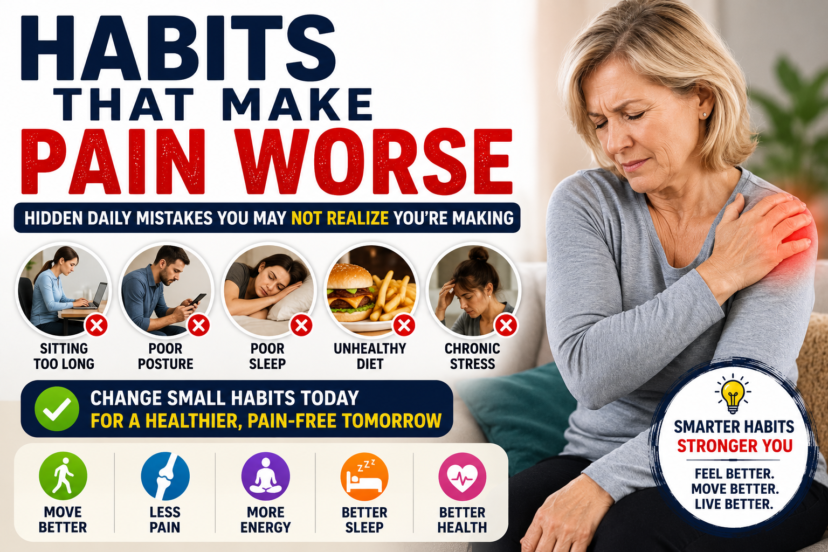
What are the top daily habits that make pain worse? Living with ongoing aches, stiffness, or discomfort can be frustrating. Many adults assume pain is simply part of getting older, but the truth is that everyday habits often play a bigger role than most people realize.
Small actions repeated day after day can place extra stress on muscles, joints, and nerves. Over time, these patterns may contribute to chronic pain, reduced mobility, and difficulty enjoying everyday activities.
The encouraging news is that many habits that make pain worse are completely changeable. Even small improvements can help support healthier movement, better posture, reduced inflammation, and improved quality of life.
If you’re looking for practical ways to feel better, understanding these hidden habits may be one of the smartest places to start.
⭐ Quick Answer: Habits That Make Pain Worse
Many habits that make pain worse include sitting too long, poor posture, lack of exercise, inadequate sleep, chronic stress, dehydration, and ignoring early symptoms. Replacing these habits with healthier daily routines may help reduce discomfort, improve mobility, and support long-term pain-free living.
Key Takeaways
Most likely cause: Habits that make pain worse often include prolonged sitting, poor posture, lack of physical activity, inadequate sleep, chronic stress, dehydration, and repetitive movements that strain muscles and joints.
Usually serious? No. These lifestyle habits commonly contribute to everyday aches and stiffness, but ongoing or worsening pain should be evaluated by a healthcare professional to rule out an underlying condition.
First thing to check: Review your daily routine for long periods of sitting, poor ergonomics, limited movement, poor sleep, high stress, or other habits that may be increasing your discomfort.
Best solution: Replace unhealthy habits with regular movement, good posture, strength and flexibility exercises, quality sleep, proper hydration, stress management, and other healthy routines that support long-term mobility and overall well-being.
🔹 Why Habits Can Affect Pain More Than You Think
Pain isn’t always caused by injury alone.
Daily behaviors influence:
- Muscle strength
- Joint mobility
- Inflammation levels
- Blood circulation
- Posture
- Recovery and healing
When these systems are supported, the body often functions more efficiently. But unhealthy routines may slowly increase stress on tissues and contribute to discomfort.
Many habits that make pain worse develop gradually, which is why people often don’t recognize them until pain becomes persistent.
🚶 Habits That Make Pain Worse: Sitting Too Much
Modern lifestyles encourage long hours of sitting.
Whether you’re:
- Working at a desk
- Watching television
- Driving
- Using a smartphone
Too much sitting can lead to:
- Tight hip flexors
- Weak glutes
- Lower back pain
- Neck stiffness
- Reduced circulation
Better Alternative
Try:
- Standing every 30–60 minutes
- Taking short walks
- Using a standing desk
- Stretching during breaks
Even five minutes of movement several times a day can help.
💻 Habits That Make Pain Worse: Poor Posture
Poor posture is one of the most common habits that make pain worse.
Slouching may place extra pressure on:
- The neck
- Shoulders
- Lower back
- Hips
Common Signs Of Poor Posture
- Rounded shoulders
- Forward head position
- Frequent headaches
- Upper back tension
Posture Tips
- Keep screens at eye level.
- Sit with both feet flat on the floor.
- Support your lower back.
- Avoid looking down at phones for long periods.
🛋️ Avoiding Exercise Because Of Pain
Many people stop moving because they fear exercise will worsen symptoms.
However, inactivity often causes:
- Muscle weakness
- Joint stiffness
- Reduced flexibility
- Poor balance
Gentle movement may actually help improve comfort.
Low-Impact Exercises To Consider
- Walking
- Swimming
- Water aerobics
- Yoga
- Tai Chi
- Cycling
The CDC recommends at least 150 minutes of moderate physical activity weekly for most adults.
😴 Habits That Make Pain Worse: Poor Sleep
Sleep and pain are closely connected.
Poor sleep may:
- Increase inflammation
- Reduce healing
- Increase pain sensitivity
- Lower energy levels
Adults generally need seven to nine hours of quality sleep each night.
Better Sleep Habits
- Keep a regular bedtime.
- Avoid screens before bed.
- Limit caffeine late in the day.
- Use supportive pillows.
- Keep bedrooms cool and dark.
🍔 Eating Too Many Processed Foods
Diet may influence inflammation throughout the body.
Highly processed foods often contain:
- Excess sugar
- Refined carbohydrates
- Trans fats
- High sodium levels
These foods may contribute to inflammation and discomfort.
Foods That May Support A Healthy Inflammatory Response
- Fatty fish
- Berries
- Leafy greens
- Nuts
- Olive oil
- Beans
- Whole grains
Many Americans also discuss supplements with their healthcare providers, including:
- Omega-3 fish oil
- Vitamin D
- Magnesium
- Turmeric (curcumin)
Always consult your doctor before starting supplements.
💧 Habits That Make Pain Worse: Not Drinking Enough Water
Dehydration may affect:
- Muscle function
- Joint lubrication
- Energy levels
- Recovery
Simple hydration tips include:
- Carrying a reusable water bottle
- Drinking water throughout the day
- Limiting sugary beverages
Even mild dehydration may contribute to muscle soreness.
😟 Chronic Stress And Tension
Stress doesn’t only affect emotions—it affects the body.
Stress may contribute to:
- Muscle tension
- Headaches
- Neck pain
- Back pain
- Increased inflammation
Natural Stress Relief Methods
- Deep breathing
- Meditation
- Walking outdoors
- Yoga
- Listening to music
- Spending time with family and friends
Managing stress may help improve both physical and mental well-being.
📱 Habits That Make Pain Worse: Too Much Screen Time
Looking down at phones and tablets for hours can create “tech neck.”
Over time, this may contribute to:
- Neck pain
- Shoulder pain
- Headaches
- Upper back tension
Smartphone Posture Tips
- Raise devices closer to eye level.
- Take frequent breaks.
- Stretch your neck regularly.
- Avoid long periods of continuous screen use.
🏋️ Doing Too Much Too Soon
Some people suddenly increase exercise intensity after long periods of inactivity.
This may cause:
- Muscle strains
- Joint irritation
- Delayed recovery
Instead:
- Increase activity gradually.
- Allow recovery days.
- Listen to your body.
Consistency matters more than intensity.
🚬 Smoking And Chronic Pain
Smoking may reduce blood flow to muscles and joints.
Research suggests smoking is associated with:
- Back pain
- Slower healing
- Increased inflammation
Quitting smoking may improve overall health and support pain management.
⚖️ Carrying Excess Weight
Extra body weight increases pressure on:
- Knees
- Hips
- Ankles
- Lower back
Even modest weight loss may help reduce stress on joints and improve mobility.
🩺 Physical Therapy Can Help Correct Pain-Causing Habits
Physical therapy is often one of the most effective non-drug approaches for chronic pain.
A physical therapist may provide:
- Stretching routines
- Strength exercises
- Balance training
- Posture correction
- Mobility exercises
Physical therapy helps address the root causes of many habits that make pain worse.
🌿 Home Remedies For Everyday Discomfort
Simple home strategies may provide relief:
Heat Therapy
Warm showers and heating pads can relax tight muscles.
Cold Therapy
Ice packs may help reduce swelling after activity.
Gentle Stretching
Regular stretching improves flexibility.
Massage
Massage may reduce muscle tension.
Walking
Short daily walks can help maintain mobility.
Mindfulness
Relaxation techniques may help reduce stress-related pain.
⭐ Healthy Habits That Support Pain-Free Living
Replacing unhealthy routines with healthier ones can make a significant difference.
Focus on:
- Moving daily
- Strength training twice weekly
- Eating nutrient-rich foods
- Maintaining healthy posture
- Staying hydrated
- Managing stress
- Prioritizing sleep
- Remaining socially active
Small improvements performed consistently often produce the greatest long-term benefits.
🚨 When To See A Doctor
Seek medical attention if pain:
- Becomes severe or sudden
- Lasts longer than several weeks
- Interferes with daily activities
- Includes numbness or weakness
- Causes balance problems
- Is accompanied by fever
- Includes unexplained weight loss
- Continues getting worse
Early evaluation may help identify underlying conditions before they become more serious.
❓ FAQs: Habits That Make Pain Worse
What Habits Make Pain Worse The Most?
Common culprits include sitting too much, poor posture, lack of exercise, poor sleep, stress, dehydration, and unhealthy eating habits.
Can Sitting Too Long Cause Chronic Pain?
Yes. Extended sitting may contribute to lower back pain, neck pain, hip stiffness, and muscle weakness.
Does Stress Really Increase Pain?
Yes. Stress can increase muscle tension and may make pain feel more intense.
Can Exercise Reduce Chronic Pain?
In many cases, regular low-impact exercise helps improve strength, flexibility, and mobility.
Which Foods May Increase Inflammation?
Highly processed foods, sugary drinks, and excessive refined carbohydrates may contribute to inflammation.
Is Walking Good For Chronic Pain?
Walking is often one of the safest and most effective forms of exercise for maintaining mobility and reducing stiffness.
Can Physical Therapy Help Long-Term Pain?
Yes. Physical therapy may improve posture, strengthen muscles, and address movement problems that contribute to pain.
🎯 Final Thoughts
Many habits that make pain worse are easy to overlook because they become part of everyday life. The encouraging news is that small changes can create meaningful improvements over time.
You don’t have to overhaul your entire lifestyle overnight.
Start with one or two healthier habits, stay consistent, and allow your body time to adapt. Progress may be gradual, but every positive choice supports better movement, greater comfort, and a healthier future.
Living with less pain often begins with changing the routines you repeat every day.
Medical Disclaimer: This article is for educational and informational purposes only and should not replace professional medical advice. Always consult your physician or qualified healthcare provider regarding persistent pain, new symptoms, or before starting any exercise, supplement, or treatment program.
 Explore more: