Inflammation And Pain: The Hidden Connection Many People Overlook
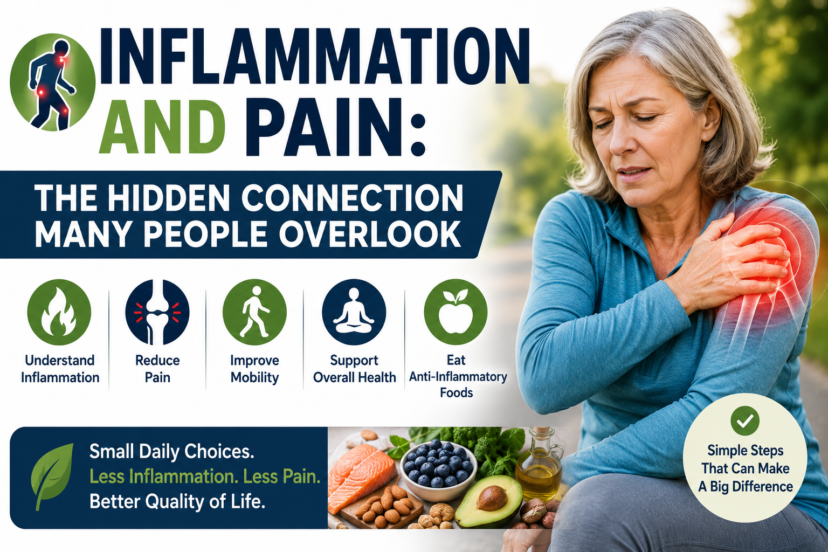
What is the hidden connection between inflammation and pain? If you’ve been dealing with stiff joints, sore muscles, or ongoing aches that seem to appear for no obvious reason, inflammation may be playing a larger role than you realize.
Many adults focus only on where the discomfort is occurring—such as the knees, back, hips, or shoulders—without understanding that the body’s inflammatory response may contribute to how pain is experienced.
The good news is that inflammation is often influenced by everyday lifestyle habits. Small improvements in movement, sleep, stress management, and nutrition may help support overall wellness and allow you to move more comfortably.
Understanding the connection between inflammation and pain can help you make smarter decisions that support healthy aging, improve mobility, and enhance your quality of life.
💡 Quick Answer: Inflammation And Pain
Inflammation and pain are closely connected. While inflammation is the body’s natural healing response, chronic inflammation may contribute to ongoing discomfort, stiffness, joint pain, and reduced mobility. Healthy lifestyle habits may help support a balanced inflammatory response.
Key Takeaways
Most likely cause: Inflammation and pain are often linked because the body’s natural inflammatory response can increase sensitivity in muscles, joints, and other tissues, especially when inflammation becomes long-lasting.
Usually serious? No. Short-term inflammation is a normal part of healing, but persistent inflammation and ongoing pain may indicate an underlying condition that should be evaluated by a healthcare professional.
First thing to check: Consider whether poor sleep, inactivity, chronic stress, excess weight, a recent injury, or other lifestyle factors could be contributing to ongoing inflammation and discomfort.
Best solution: Stay physically active, eat a balanced diet rich in whole foods, maintain a healthy weight, prioritize quality sleep, and manage stress to help support a healthy inflammatory response and long-term mobility.
🔹 What Is Inflammation?
Inflammation is a natural defense mechanism.
When the body detects injury, infection, or tissue stress, it activates an inflammatory response to promote healing.
Short-term inflammation is normal and beneficial.
Examples include:
- Recovering from exercise
- Healing a cut
- Fighting infections
However, long-term inflammation may become problematic and contribute to chronic discomfort.
🔹 Why Inflammation And Pain Are Connected
Inflammation affects nerves, muscles, and joints throughout the body.
Inflammatory chemicals may increase pain sensitivity and contribute to:
- Joint stiffness
- Muscle soreness
- Swelling
- Reduced flexibility
- Fatigue
Many people experience symptoms without realizing inflammation may be involved.
This is why understanding inflammation and pain is important for long-term wellness.
🔹 Common Causes Of Chronic Inflammation
Several everyday factors may influence inflammation levels.
Poor Diet
Highly processed foods and excess sugar may contribute to inflammation.
Physical Inactivity
Lack of movement may increase stiffness and reduce circulation.
Chronic Stress
Stress hormones may affect the body’s inflammatory response.
Poor Sleep
Sleep plays an important role in recovery and repair.
Excess Body Weight
Additional body fat may contribute to inflammatory activity.
Smoking
Smoking has been associated with increased inflammation and reduced circulation.
🔹 Symptoms That May Be Linked To Inflammation
While symptoms vary, common signs include:
- Aching joints
- Morning stiffness
- Muscle soreness
- Swelling
- Fatigue
- Reduced mobility
- General body aches
Persistent symptoms should always be discussed with a healthcare professional.
🔹 Conditions Commonly Associated With Inflammation And Pain
Inflammation may contribute to several health conditions.
Examples include:
- Osteoarthritis
- Rheumatoid arthritis
- Tendinitis
- Bursitis
- Back pain
- Fibromyalgia
- Autoimmune conditions
Because symptoms overlap, professional evaluation may be necessary.
🥗 Anti-Inflammatory Foods That May Support Wellness
Nutrition plays an important role in supporting the body’s natural processes.
Foods commonly included in anti-inflammatory eating patterns include:
Fatty Fish
Rich in omega-3 fatty acids.
Examples:
- Salmon
- Sardines
- Tuna
Fruits And Berries
Provide antioxidants that support healthy cells.
Examples:
- Blueberries
- Strawberries
- Cherries
Leafy Green Vegetables
Examples:
- Spinach
- Kale
- Broccoli
Healthy Fats
Examples:
- Olive oil
- Avocados
- Nuts
Fiber-Rich Foods
Examples:
- Beans
- Oatmeal
- Whole grains
🚶 Regular Movement May Help Reduce Inflammation
Movement is one of the most powerful lifestyle habits for healthy aging.
Activities many adults enjoy include:
- Walking
- Swimming
- Cycling
- Yoga
- Water aerobics
- Tai Chi
Exercise may help:
- Improve circulation
- Maintain mobility
- Strengthen muscles
- Support weight management
Consistency matters more than intensity.
💤 Sleep And Inflammation And Pain
Sleep is one of the body’s most important recovery tools.
Poor sleep may contribute to:
- Increased pain sensitivity
- Fatigue
- Muscle tension
- Reduced recovery
Helpful sleep habits include:
- Going to bed at the same time each night
- Limiting screen exposure before bed
- Keeping the bedroom cool and dark
- Avoiding heavy meals late in the evening
🧘 Stress Management Supports Pain Relief
Stress affects both physical and emotional health.
Chronic stress may contribute to:
- Muscle tension
- Poor sleep
- Increased pain perception
Helpful stress-management strategies include:
- Meditation
- Deep breathing
- Prayer
- Journaling
- Walking outdoors
- Spending time with loved ones
💪 Strength Training Supports Healthy Aging
Muscles help protect joints and support movement.
Strength training may help:
- Improve balance
- Maintain bone density
- Support posture
- Reduce strain on joints
Simple options include:
- Resistance bands
- Light dumbbells
- Chair exercises
- Bodyweight exercises
Many physical therapists recommend strength training for adults over 50.
🔥 Heat And Cold Therapy For Inflammation And Pain
Simple home remedies may provide temporary comfort.
Heat Therapy
May help:
- Relax muscles
- Increase circulation
- Reduce stiffness
Examples:
- Heating pads
- Warm baths
- Warm showers
Cold Therapy
May help:
- Calm irritated tissues
- Reduce swelling
Examples:
- Ice packs
- Cold compresses
Always follow product instructions.
🌿 Supplements Commonly Used In The U.S.
Many adults discuss supplements with their healthcare providers.
Popular options include:
- Fish oil
- Turmeric
- Magnesium
- Vitamin D
- Glucosamine
- Chondroitin
Supplements are not appropriate for everyone, so medical guidance is recommended.
🏥 Physical Therapy And Inflammation Management
Physical therapy may help improve:
- Strength
- Flexibility
- Posture
- Mobility
- Balance
Therapists often create personalized programs based on individual needs and limitations.
🔹 Posture And Pain
Poor posture can increase stress on muscles and joints.
Helpful posture habits include:
- Sitting upright
- Keeping screens at eye level
- Avoiding prolonged sitting
- Taking movement breaks
Small improvements can have long-term benefits.
🚨 When To See A Doctor
Seek medical care if you experience:
- Severe pain
- Significant swelling
- Redness around joints
- Fever with pain
- Sudden weakness
- Persistent symptoms that worsen
- Loss of mobility
Early treatment may help identify underlying causes.
❓ FAQs: Inflammation And Pain
Can inflammation cause pain?
Yes. Inflammation may increase pain sensitivity and contribute to joint stiffness and muscle soreness.
What foods help fight inflammation?
Fatty fish, berries, leafy greens, olive oil, nuts, and beans are commonly included in anti-inflammatory diets.
Does walking reduce inflammation?
Regular movement may support circulation and overall wellness, which can help maintain healthy inflammatory responses.
Is inflammation a normal part of aging?
Short-term inflammation is normal, but chronic inflammation may contribute to discomfort and should be addressed through healthy lifestyle habits.
Can stress increase inflammation?
Chronic stress may affect the body’s inflammatory processes and increase muscle tension.
What supplements are commonly used for inflammation?
Fish oil, turmeric, magnesium, vitamin D, glucosamine, and chondroitin are frequently discussed with healthcare providers.
Can poor sleep make pain worse?
Yes. Poor sleep may increase pain sensitivity and affect recovery.
📌 Final Thoughts
The connection between inflammation and pain is often overlooked, yet it may influence how you feel every day.
The encouraging news is that many factors affecting inflammation are within your control. Small daily habits—such as walking, eating nutritious foods, sleeping well, managing stress, and staying active—can add up over time.
You do not need to change everything at once.
Start with one healthy habit, stay consistent, and remember that long-term wellness is built through small actions repeated daily. Patience and consistency often produce the greatest results.
Medical Disclaimer
This article is for informational and educational purposes only and is not intended to diagnose, treat, cure, or prevent any disease. Always consult a qualified healthcare professional regarding symptoms, medical conditions, supplements, or treatment decisions. Never ignore professional medical advice or delay seeking care because of information found on this website.
 Explore more: