
Why Back Pain Feels Worse At Night: 11 Common Causes And What You Can Do About It

You finally get into bed after a long day, expecting your back to relax—only to discover that the aching, stiffness, or throbbing seems stronger than it did hours earlier. If you’re wondering why back pain feels worse at night, you’re far from alone. Long periods in one position, an unsupportive sleeping setup, muscle tension, inflammation, and certain back conditions can all make nighttime discomfort more noticeable.
Nighttime pain can be especially frustrating because poor sleep may leave you tired, less active, and more sensitive to discomfort the following day. Fortunately, many common triggers can be addressed with simple changes to your sleeping position, daily movement, strength, and bedtime routine.
The important part is identifying the likely reason your symptoms increase after you lie down. With the right approach—and professional evaluation when necessary—you may be able to sleep more comfortably while supporting better mobility and long-term back health.
⭐ Quick Answer: Why Back Pain Feels Worse At Night
Back pain may feel worse at night because you spend hours in one position, your mattress or sleeping posture places additional stress on sensitive tissues, or muscles and joints become stiff after activity or prolonged inactivity. Pain can also seem more noticeable when nighttime distractions disappear. While many cases involve mechanical back pain, persistent or unexplained night pain sometimes requires medical evaluation.
Key Takeaways
Most likely cause: Mechanical back pain combined with prolonged positioning, muscle stiffness, daily physical stress, or a sleeping position that aggravates sensitive tissues.
Usually serious? Usually not, especially when symptoms change with position or activity. However, persistent night pain accompanied by other warning signs should be medically evaluated.
First thing to check: Notice whether changing your sleeping position, using strategic pillow support, or getting out of bed and moving gently reduces your discomfort.
Best solution: When trying to understand why back pain feels worse at night, address your sleep position, mattress comfort, daytime movement, strength, and underlying cause rather than relying only on temporary pain relief.
🔍 Why Back Pain Can Become More Noticeable At Night
Nighttime changes don’t necessarily mean your back is becoming more damaged while you sleep.
During the day, you’re constantly changing positions. You walk, stand, sit, bend, and perform everyday activities. At night, you may remain in approximately the same position for much longer.
Sensitive muscles, joints, or other structures can become uncomfortable when they’re loaded or held still for extended periods.
There is also less competing sensory information at bedtime. You’re no longer working, talking, driving, or concentrating on other tasks. That can make existing discomfort more noticeable.
Poor sleep can further complicate matters. Pain can interfere with sleep, and inadequate sleep can influence pain sensitivity, creating a frustrating pain-sleep cycle.
Understanding why back pain feels worse at night therefore requires looking beyond the back itself and considering your entire 24-hour routine.
🛏️ 1. Your Sleeping Position Is Aggravating Your Back
Your sleeping position can influence how your spine, hips, and surrounding muscles feel.
For some people, lying completely flat on the back or stomach is uncomfortable. Others experience pain primarily when sleeping on one side.
There isn’t one universally “correct” sleeping position.
Instead, experiment with positions that allow your body to relax without significantly increasing symptoms.
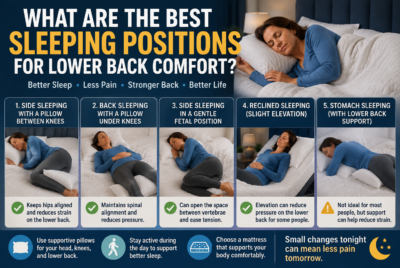
Back sleepers may feel more comfortable placing a pillow beneath their knees. Side sleepers can try placing a pillow between their knees.
These simple adjustments may reduce uncomfortable twisting or tension through the hips and lower back.
🛌 2. Your Mattress Is No Longer Supporting You Comfortably
A mattress doesn’t have to be extremely hard to support your back.
In fact, mattress comfort is highly individual.
A bed that sags substantially or no longer provides comfortable support may contribute to nighttime symptoms. On the other hand, an extremely firm mattress can create uncomfortable pressure points for some sleepers.
Before replacing your mattress, perform a simple experiment.
If possible, sleep on another supportive bed for a few nights. If your symptoms noticeably change, your mattress may be contributing.
Don’t assume that buying the most expensive orthopedic mattress will automatically solve chronic back pain. The underlying cause still matters.
🪑 3. Sitting Too Much During The Day
Sometimes why back pain feels worse at night has more to do with what happened during the day than what happens in bed.
Hours spent sitting at a computer, driving, or relaxing on the couch can leave the hips and back feeling stiff.
Rather than trying to maintain one “perfect” posture all day, change positions regularly.
Try:
- Standing Periodically During Desk Work.
- Taking Short Walking Breaks.
- Alternating Sitting And Standing When Practical.
- Performing Gentle Hip And Back Movements.
- Avoiding Hours In The Same Position.
Regular movement distributes physical stress and may help prevent stiffness from accumulating before bedtime.
💪 4. Your Back And Core Muscles Need More Strength
Your spine relies on muscles throughout your trunk, hips, and legs to help support everyday movement.
When these muscles are weak or poorly conditioned, ordinary activities may become more tiring.
That doesn’t mean you need hundreds of sit-ups.
Exercises such as bridges, bird dogs, appropriately modified planks, resistance exercises, and lower-body strengthening may be included in a well-designed back rehabilitation program.
The right exercises depend on the cause of your pain.
If you’re unsure which movements are appropriate, a physical therapist can evaluate your symptoms and develop a progressive strengthening program.
🚶 5. You’re Not Moving Enough
Rest can feel appealing when your back hurts, but excessive inactivity can sometimes increase stiffness and reduce conditioning.
For many types of uncomplicated back pain, gentle activity is preferable to prolonged bed rest.
Walking is often a practical starting point.
You might begin with several short walks rather than one long session. Gradually increase your activity according to your symptoms and medical guidance.
If your back consistently feels better after you get up and move around, prolonged nighttime positioning may be contributing to the discomfort.
🏋️ 6. Your Back Is Irritated From The Day’s Activities
Nighttime pain can also follow a physically demanding day.
Gardening, lifting boxes, cleaning, exercising, carrying children, home improvement projects, or suddenly walking much farther than usual can leave muscles and other tissues sore.
Delayed soreness may become more noticeable later in the day or the following morning.
When increasing exercise, build gradually.
Your body generally adapts better to small, consistent increases in activity than sudden weekend bursts followed by several days of inactivity.
🦴 7. Arthritis And Age-Related Changes May Contribute
Changes in spinal joints and discs become increasingly common with age, although imaging findings don’t always match the amount of pain a person experiences.
Osteoarthritis and other degenerative changes can contribute to stiffness or aching in some people.
Symptoms may feel worse after remaining still and improve somewhat after gentle movement.
The solution usually isn’t avoiding movement altogether.
Appropriate exercise, maintaining strength, managing body weight when needed, and working with a healthcare professional can help preserve function and mobility.
⚡ 8. Nerve Irritation Can Affect Nighttime Comfort
Back problems sometimes involve irritated or compressed nerves.
For example, sciatica can cause pain that travels from the lower back or buttock into the leg. Tingling, numbness, or burning sensations may also occur.
Certain sleeping positions can make these symptoms more noticeable.
Because nerve-related symptoms can have different causes, persistent radiating pain deserves appropriate evaluation rather than endless experimentation with pillows.
Progressive leg weakness, significant numbness, or changes in bladder or bowel control require prompt medical attention.
🧠 9. Stress Can Increase Muscle Tension And Pain Sensitivity
Stress doesn’t mean your pain is imaginary.
Physical pain and emotional stress can influence one another. Stress may increase muscle tension, disrupt sleep, and make pain harder to cope with.
A relaxing bedtime routine may help.
Consider gentle breathing exercises, a warm shower, relaxing music, reading, or several minutes of comfortable stretching before bed.
If anxiety about your back keeps you awake, addressing the stress surrounding pain can be an important part of recovery.
😴 10. Poor Sleep May Be Increasing Pain Sensitivity
Pain disrupts sleep, but the relationship can work in the opposite direction too.
Repeated poor sleep can affect how the nervous system processes discomfort.
That can create a cycle:
Pain → Poor Sleep → Greater Pain Sensitivity → More Difficulty Sleeping
Improving sleep habits won’t cure every back condition, but it can support overall pain management.
Maintain consistent sleep and wake times, limit caffeine late in the day, keep your bedroom dark and comfortable, and avoid spending unnecessary hours awake in bed.
⚠️ 11. Occasionally, Night Pain Has A More Serious Cause
Most back pain isn’t caused by a dangerous disease.
However, pain that is severe, progressive, unexplained, or consistently present regardless of position deserves greater attention—particularly when accompanied by other symptoms.
Certain infections, fractures, inflammatory diseases, cancers, or neurological conditions can cause back pain.
This doesn’t mean nighttime pain itself indicates something serious.
The pattern of symptoms and presence of additional warning signs matter much more.
🛠️ How To Relieve Back Pain At Night
If your symptoms are mild and you don’t have warning signs, several home strategies may make nighttime discomfort easier to manage.
Adjust Your Sleeping Position
Side sleepers can experiment with a pillow between the knees. Back sleepers may prefer support beneath the knees.
The goal is comfort rather than forcing your spine into a supposedly perfect position.
Try Gentle Movement Before Bed
A short evening walk or several minutes of comfortable movement may reduce stiffness after a sedentary evening.
Avoid aggressive stretching into pain.
Use Heat Carefully
A heating pad or warm shower can temporarily relax tight muscles and make stiffness feel more manageable.
Follow manufacturer instructions and avoid falling asleep while using an electric heating pad.
Consider Cold After An Acute Flare-Up
Some people find a wrapped cold pack soothing following an activity-related flare-up.
Protect your skin and limit exposure according to product instructions.
Maintain Daytime Activity
Don’t make nighttime pain the reason you spend the entire next day resting.
Appropriate daily movement and gradual strengthening can support long-term recovery.
🧍 Posture Tips For Better Back Comfort
There isn’t one perfect posture capable of preventing all back pain.
The more practical strategy is to avoid remaining in any one posture for excessive periods.
When sitting, keep your work equipment positioned comfortably and avoid repeatedly twisting to reach frequently used objects.
When lifting, keep the object reasonably close to your body and avoid suddenly lifting loads beyond your current ability.
Most importantly, change positions frequently.
Your back generally benefits from movement variety more than rigid posture rules.
👨⚕️ How Physical Therapy Can Help Nighttime Back Pain
Physical therapy can be useful when back pain feels worse at night and keeps returning despite basic home care.
A physical therapist can evaluate your strength, joint movement, walking pattern, functional limitations, and movements that reproduce or relieve symptoms.
Treatment may involve:
- Progressive Strengthening.
- Mobility Exercises.
- Activity Modification.
- Movement Education.
- Gradual Return To Exercise.
- Personalized Home Exercises.
The advantage of physical therapy is personalization. Instead of randomly trying stretches from the internet, you can focus on movements appropriate for your specific symptoms and goals.
🌿 Natural Ways To Support Back Pain Relief
Some of the most useful natural approaches to back comfort are also the simplest.
Regular physical activity, maintaining muscle strength, good sleep, nutritious food, stress management, and healthy weight management when appropriate can support overall musculoskeletal health.
You don’t necessarily need supplements.
Some people ask about vitamin D, magnesium, turmeric, or other products for pain. Evidence and individual needs vary, and supplements can interact with medications.
Talk with your healthcare provider before starting supplements specifically to treat persistent back pain.
👨⚕️ When To See A Doctor For Nighttime Back Pain
Arrange a medical evaluation if your back pain persists for several weeks, repeatedly wakes you from sleep, progressively worsens, or significantly limits normal activities.
You should also contact a healthcare professional if the pain follows a significant fall or injury or occurs with unexplained fever, unexplained weight loss, a history of cancer, weakened immunity, or other concerning symptoms.
Seek urgent medical attention for:
- New Loss Of Bladder Or Bowel Control.
- Numbness Around The Groin Or Saddle Area.
- Rapidly Progressive Leg Weakness.
- Severe Back Pain Following Major Trauma.
- Back Pain Accompanied By Significant Neurological Changes.
These symptoms aren’t typical everyday back pain and require prompt assessment.
❓ FAQs About Why Back Pain Feels Worse At Night
1. Why Does My Lower Back Hurt More When I Lie Down?
Lying down can keep your spine and surrounding tissues in one position for long periods. Your sleeping posture, mattress, muscle stiffness, arthritis, or an irritated nerve may also contribute. If changing position consistently relieves the pain, mechanical factors may be involved.
2. What Sleeping Position Is Best For Lower Back Pain?
There is no single best position for everyone. Many people find side sleeping with a pillow between the knees or back sleeping with support beneath the knees comfortable. Choose the position that reduces your symptoms.
3. Can A Mattress Cause Back Pain At Night?
A mattress that sags, creates uncomfortable pressure, or doesn’t suit your sleeping style may contribute to symptoms. However, chronic back pain shouldn’t automatically be blamed on your mattress because many other factors can be involved.
4. Why Does My Back Hurt At Night But Feel Better When I Get Up?
Prolonged inactivity can contribute to stiffness. Standing and walking restore movement to the hips, spine, and surrounding muscles, which may make some types of mechanical stiffness feel better.
5. Is Back Pain At Night A Warning Sign?
Nighttime pain alone doesn’t necessarily mean something serious. However, persistent or progressive pain that doesn’t change with position—especially with fever, unexplained weight loss, neurological symptoms, or a history of cancer—should be evaluated.
6. Should I Stretch My Back Before Bed?
Gentle stretching or comfortable mobility exercises may help some people relax and reduce stiffness. Avoid aggressive stretches or movements that cause sharp, radiating, or increasing pain.
7. How Can I Stop Waking Up With Back Pain?
Experiment with sleeping position and pillow support, remain physically active during the day, avoid long periods of sitting, gradually strengthen your trunk and hips, and make sure your mattress is comfortable. Persistent morning or nighttime pain should be professionally evaluated.
🏡 Final Thoughts: Better Nights Often Start With Better Daytime Habits
Understanding why back pain feels worse at night can help you stop focusing only on what happens after you get into bed.
Your mattress and sleeping position matter, but so do your daytime activity, muscle strength, sitting habits, stress, sleep quality, and overall physical conditioning.
Start with simple changes.
Move regularly throughout the day. Experiment with comfortable pillow support. Take a gentle evening walk. Build strength gradually. Avoid staying in one position for hours, and give your body time to adapt.
Back pain recovery isn’t always immediate or perfectly linear. Some days may feel better than others.
Consistency and patience matter. Focus on building habits that support comfortable movement throughout the entire day rather than searching for a single overnight fix.
And if your nighttime symptoms are persistent, worsening, or accompanied by warning signs, don’t simply learn to live with them. A healthcare professional can help identify the cause and determine the safest path forward.
Medical Disclaimer: This article is for general educational and informational purposes only and is not intended to diagnose, treat, cure, or prevent any medical condition. It does not replace personalized medical advice from a physician, physical therapist, or other qualified healthcare professional. Consult your healthcare provider for persistent or worsening back pain and before beginning a new exercise, treatment, medication, or supplement program. Seek urgent medical care for severe or rapidly developing neurological symptoms, loss of bladder or bowel control, major trauma, or other emergency symptoms.
Explore more:
- How Can I Climb Stairs With Back Pain?
- Why Does Climbing Stairs Make My Back Pain Worse?
- What Are The Most Common Mobility Mistakes?



Comments are closed.