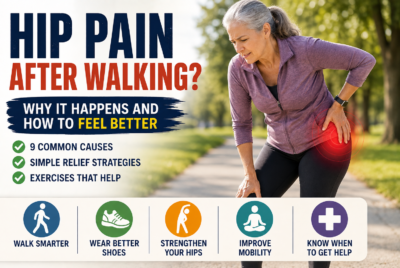
Body Aches Getting Older: Why Your Body Aches More As You Get Older And What You Can Do About It

What to do about body aches getting older? Growing older doesn’t mean you have to accept constant aches and stiffness as your new normal. Many adults notice that everyday activities become more challenging with age. Getting out of bed feels harder, joints seem stiffer in the morning, and simple tasks like climbing stairs or gardening may leave the body feeling sore. If you’re experiencing body aches as you get older, you’re certainly not alone.
The good news is that aging itself isn’t always the direct cause of pain. In many cases, lifestyle habits, muscle weakness, poor posture, inflammation, sleep quality, and reduced movement play a bigger role than age alone.
By understanding why body aches getting older become more common and making a few practical changes, you may be able to improve mobility, stay active longer, and enjoy a healthier, more comfortable life.
⭐ Quick Answer: Body Aches Getting Older
Body aches getting older are often caused by natural age-related changes in muscles, joints, bones, and connective tissues. Reduced activity, inflammation, poor posture, arthritis, stress, and sleep problems can all contribute to discomfort. Fortunately, regular movement, strength training, healthy nutrition, physical therapy, and good daily habits may help reduce pain and improve quality of life.
Key Takeaways
Most likely cause: Body aches getting older are commonly linked to age-related changes in muscles and joints, reduced physical activity, muscle weakness, arthritis, inflammation, poor posture, and slower recovery.
Usually serious? No. Occasional aches and stiffness are common with aging, but severe, persistent, or rapidly worsening pain—especially when accompanied by swelling, fever, or unexplained weight loss—should be evaluated by a healthcare professional.
First thing to check: Consider whether your activity level, sleep quality, posture, recent exercise, weight, or existing joint conditions may be contributing to your discomfort.
Best solution: Stay physically active with regular walking and strength training, maintain a healthy weight, improve posture, eat a balanced diet, prioritize quality sleep, and perform daily stretching and mobility exercises to support long-term comfort and independence.
🔹 Why Body Aches Getting Older Become More Common
As we age, several changes happen throughout the body:
- Muscle mass gradually decreases.
- Joints lose some cushioning.
- Cartilage naturally wears down.
- Flexibility declines.
- Recovery from activity takes longer.
- Inflammation may increase.
These changes don’t automatically cause pain, but they can make the body more sensitive to stress and overuse.
Common areas affected include:
- Lower back
- Knees
- Hips
- Neck
- Shoulders
- Hands and fingers
Many people experiencing body aches getting older notice symptoms first thing in the morning or after sitting for long periods.
🦴 Common Causes Of Body Aches Getting Older
Arthritis
Osteoarthritis is one of the most common reasons adults experience body aches getting older. According to the CDC, millions of Americans live with arthritis.
Symptoms may include:
- Joint stiffness
- Swelling
- Aching pain
- Reduced mobility
Muscle Loss (Sarcopenia)
Adults naturally lose muscle mass with age. Less muscle support can increase stress on joints and contribute to discomfort.
Reduced Physical Activity
Ironically, moving less often causes more pain.
Long periods of inactivity may lead to:
- Tight muscles
- Weakness
- Poor circulation
- Increased stiffness
Poor Posture
Years of slouching, desk work, and looking down at phones can create muscle imbalances that contribute to body aches getting older.
Inflammation
Chronic low-grade inflammation becomes more common with age and may affect joints and muscles.
Sleep Problems
Poor sleep and pain often create a cycle:
- Pain disrupts sleep.
- Poor sleep increases pain sensitivity.
- Fatigue reduces activity.
🌿 Lifestyle Factors That May Make Body Aches Worse
Several everyday habits can quietly increase discomfort.
Sitting Too Much
Spending hours sitting can lead to:
- Tight hip muscles
- Weak glutes
- Back pain
- Neck stiffness
Dehydration
Even mild dehydration may contribute to muscle soreness and fatigue.
Stress
Chronic stress increases muscle tension and can make pain feel worse.
Carrying Excess Weight
Extra body weight places additional pressure on:
- Knees
- Hips
- Lower back
- Ankles
Smoking
Smoking may reduce blood flow to tissues and interfere with healing.
🚶 Why Movement Is One Of The Best Natural Remedies
One of the biggest myths about body aches getting older is that rest is always the answer.
In reality, gentle movement often helps more than complete inactivity.
Benefits of regular exercise include:
- Improved circulation
- Better flexibility
- Stronger muscles
- Reduced stiffness
- Better balance
- Improved mood
- Enhanced joint support
The CDC recommends at least 150 minutes of moderate activity each week for most adults.
Excellent options include:
- Walking
- Swimming
- Cycling
- Yoga
- Tai Chi
- Water aerobics
💪 Strength Training Helps Support Aging Bodies
Muscle loss is a major contributor to body aches getting older.
Strength training helps:
- Protect joints
- Improve posture
- Increase balance
- Reduce fall risk
- Support healthy aging
Simple exercises may include:
- Chair squats
- Wall push-ups
- Resistance bands
- Light dumbbells
- Step-ups
Many physical therapists recommend strength training two to three times weekly.
🧘 Posture Tips To Reduce Everyday Pain
Poor posture often contributes to neck, shoulder, and back discomfort.
Try these habits:
Keep Screens At Eye Level
Avoid looking down for extended periods.
Sit With Support
Choose chairs that support the lower back.
Stand Up Every 30–60 Minutes
Frequent movement helps reduce stiffness.
Engage Your Core
Strong abdominal muscles support the spine.
Avoid Slouching
Good posture distributes stress more evenly throughout the body.
🍎 Foods That May Help Support A Healthy Inflammatory Response
Diet can influence how the body feels.
Foods that may support healthy aging include:
- Fatty fish
- Olive oil
- Berries
- Nuts
- Leafy greens
- Beans
- Whole grains
Try limiting:
- Sugary drinks
- Highly processed foods
- Excess alcohol
- Trans fats
Many U.S. adults also discuss supplements with their healthcare providers, including:
- Vitamin D
- Calcium
- Omega-3 fish oil
- Magnesium
- Turmeric (curcumin)
Always consult your healthcare provider before starting supplements.
💤 Sleep And Recovery Matter More Than Ever
Sleep is when the body repairs tissues and recovers from daily stress.
To improve sleep quality:
- Keep a consistent bedtime.
- Limit caffeine late in the day.
- Keep bedrooms cool and dark.
- Avoid screens before bed.
- Use supportive pillows and mattresses.
Adults generally need seven to nine hours of sleep each night.
🩺 Physical Therapy Options For Body Aches Getting Older
Physical therapy can be extremely helpful for chronic discomfort.
A physical therapist may provide:
- Stretching programs
- Strength exercises
- Balance training
- Mobility exercises
- Posture correction
- Manual therapy techniques
Physical therapy can often help reduce pain without medication.
🌱 Home Remedies For Everyday Body Aches
Many people find relief with simple home strategies.
Heat Therapy
Warm showers, heating pads, or warm baths may relax tight muscles.
Cold Therapy
Ice packs may help reduce swelling after activity.
Gentle Stretching
Stretching improves flexibility and circulation.
Massage
Massage may help reduce tension and improve relaxation.
Walking
Even short daily walks can help maintain mobility.
Staying Hydrated
Water supports muscle and joint function.
⭐ Daily Habits That Support Healthy Aging
Small habits add up over time.
Try to:
- Move every day.
- Maintain a healthy weight.
- Strength train regularly.
- Eat nutrient-rich foods.
- Stay socially connected.
- Manage stress.
- Prioritize sleep.
- Avoid smoking.
Consistency matters far more than perfection.
🚨 When To See A Doctor About Body Aches Getting Older
While many aches are a normal part of aging, certain symptoms require medical evaluation.
Contact your healthcare provider if you experience:
- Sudden severe pain
- Joint swelling or redness
- Fever with body aches
- Unexplained weight loss
- Persistent pain lasting several weeks
- Numbness or tingling
- Loss of balance
- Weakness in arms or legs
- Difficulty performing daily activities
A healthcare professional can help determine whether arthritis, nerve conditions, autoimmune diseases, osteoporosis, or other issues are contributing to symptoms.
❓ FAQs: Body Aches Getting Older
Is It Normal To Have Body Aches Getting Older?
Mild stiffness and occasional discomfort are common with age, but persistent or severe pain should not be ignored.
Why Do I Wake Up More Sore As I Age?
Reduced flexibility, arthritis, sleep position, and inflammation may contribute to morning stiffness.
At What Age Do Body Aches Usually Start?
Many adults begin noticing increased aches in their 40s and 50s, although experiences vary widely.
Can Exercise Help Body Aches Getting Older?
Yes. Regular movement exercise and strength training often improve flexibility, joint support, and overall comfort.
Which Vitamin Deficiencies Cause Body Aches?
Low levels of vitamin D, vitamin B12, magnesium, or iron may contribute to muscle aches in some people.
Does Losing Weight Help Reduce Joint Pain?
Maintaining a healthy weight can reduce pressure on knees, hips, and the lower back.
What Is The Best Natural Way To Reduce Body Aches?
A combination of exercise, healthy eating, good sleep, stress management, and physical therapy often provides the greatest long-term benefits.
🎯 Final Thoughts
Experiencing body aches getting older does not mean you have to stop doing the things you enjoy.
Aging may bring changes, but many causes of discomfort are manageable. Regular movement, healthy nutrition, strength training, proper posture, quality sleep, and stress management can all help support a more active and comfortable life.
Remember that improvement usually happens gradually. Small daily habits often produce the biggest long-term results.
Be patient with yourself, stay consistent, and focus on progress rather than perfection. Your body is designed to keep moving, and with the right approach, it can continue supporting the life you want to live.
Medical Disclaimer: This article is for informational and educational purposes only and does not constitute medical advice. Always consult your physician or qualified healthcare provider regarding any medical condition, persistent pain, or before beginning a new exercise, supplement, or treatment program. Never ignore professional medical advice because of something you have read online.
 Explore more: